THE IMPORTANCE OF WORLD SCIENCE DAY
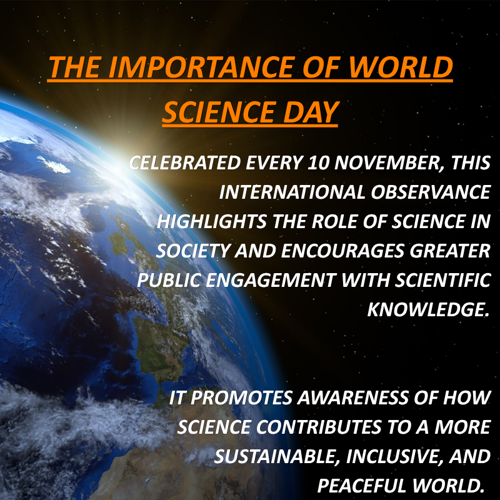
Every year on November 10, people around the world celebrate World Science Day for Peace and Development, an international observance that highlights the essential role of science in improving lives and building a more sustainable future.
Established by UNESCO in 2001 and first celebrated globally in 2002, the day was created to strengthen the connection between science and society while encouraging public engagement with scientific issues.
It reminds us that scientific knowledge is not confined to laboratories or research centers but plays a vital role in addressing the challenges that affect communities worldwide.
BRIDGING THE GAP BETWEEN SCIENCE AND SOCIETY
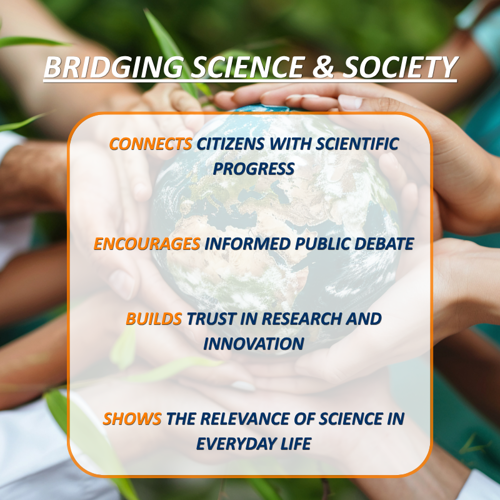
One of the main objectives of World Science Day is to bring science closer to the public. Scientific discoveries influence nearly every aspect of daily life, from healthcare and technology to communication, transportation, and environmental protection. However, many people remain unaware of how scientific research shapes the world around them.
Through educational events, discussions, exhibitions, and outreach activities, this observance encourages citizens to stay informed about scientific developments and their impact on society. By fostering dialogue between researchers and the public, the day helps build trust in science and promotes informed decision-making.
SCIENCE AS A TOOL FOR PEACE AND SUSTAINABLE DEVELOPMENT
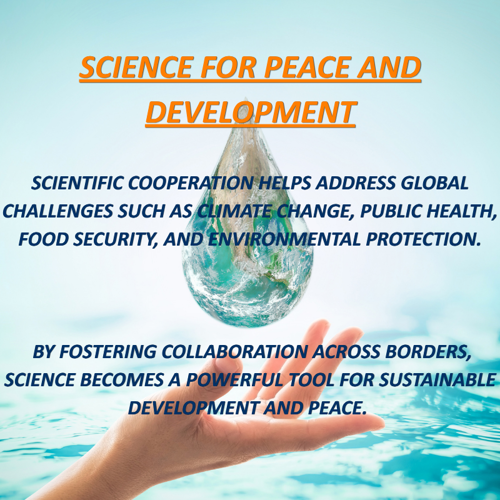
Beyond advancing knowledge, science has the power to promote peace, cooperation, and sustainable development. Scientific collaboration often transcends political, cultural, and geographical boundaries, bringing people together to solve common problems.
Issues such as climate change, public health crises, food security, and access to clean water require global scientific cooperation and innovation. World Science Day emphasizes that science can provide practical solutions to these challenges while contributing to more resilient and sustainable societies.
It also highlights the importance of ensuring that scientific progress benefits everyone, not just a privileged few.
INSPIRING FUTURE GENERATIONS THROUGH SCIENTIFIC LITERACY
A key aspect of the celebration is promoting scientific literacy and inspiring young people to explore science-related fields. Schools, universities, museums, and research institutions often organize activities that allow students to engage directly with scientific concepts and discoveries.
These initiatives encourage curiosity, critical thinking, and a deeper understanding of how science works. By making science accessible and engaging, World Science Day helps cultivate the next generation of scientists, innovators, and problem-solvers who will be responsible for tackling future global challenges.
LOOKING AHEAD: SCIENCE FOR THE FUTURE
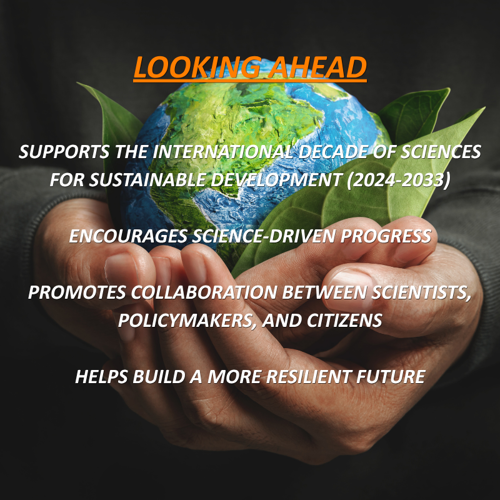
As the world faces increasingly complex challenges, the importance of science continues to grow. The United Nations has reinforced this message through the International Decade of Sciences for Sustainable Development (2024–2033), recognizing that scientific research, innovation, and collaboration are essential for achieving a more sustainable and equitable future.
World Science Day serves as an annual reminder that science is one of humanity’s most powerful tools for understanding our world and improving it. By encouraging cooperation between scientists, policymakers, and citizens, the observance helps ensure that scientific progress contributes to the well-being of both people and the planet.
CONCLUSION
World Science Day for Peace and Development is more than a celebration of scientific achievement; it is a call to recognize the profound impact that science has on society. By promoting scientific literacy, encouraging collaboration, and highlighting science’s role in addressing global challenges, the day inspires individuals and communities to embrace knowledge as a force for positive change.
As we look toward the future, investing in science and strengthening the relationship between science and society will be essential for creating a more peaceful, sustainable, and prosperous world for all.
Sources: United Nations
