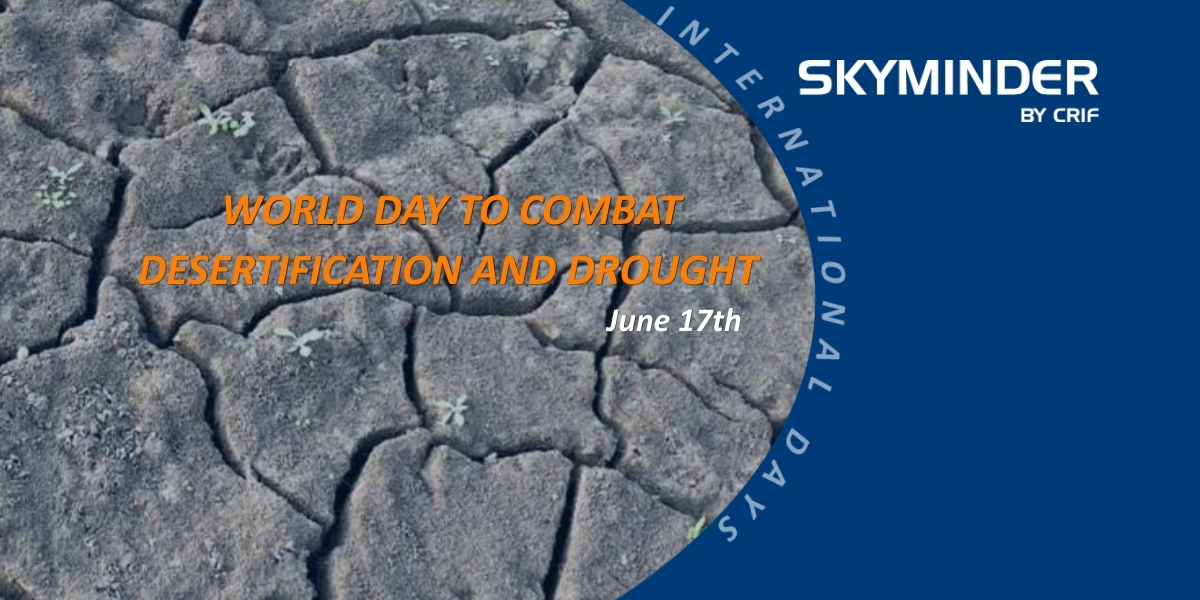
World Day to Combat Desertification and Drought is observed every year on June 17 and was established by the United Nations in 1994 to raise awareness about land degradation and water scarcity.
This international day highlights the importance of protecting land, which is one of our most valuable and finite natural resources. Led by the United Nations Convention to Combat Desertification (UNCCD), the initiative encourages countries, organizations, and individuals to take action to restore ecosystems and adopt more sustainable land-use practices.
WHY THIS DAY MATTERS
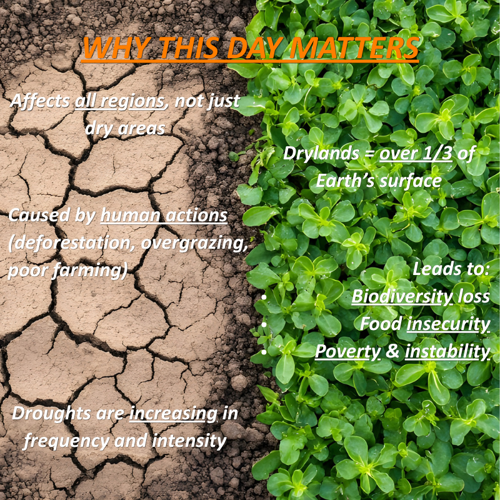
Desertification and drought are global challenges that affect ecosystems, economies, and human lives worldwide; drylands cover more than one-third of the Earth’s surface and are extremely vulnerable to human activities such as overgrazing, deforestation, and unsustainable agriculture.
These issues have serious consequences, including reduced agricultural productivity, loss of biodiversity, and increased poverty in vulnerable regions. At the same time, droughts are becoming more frequent and severe, posing a growing threat to water availability and long-term development across the planet.
KEY FACTS ABOUT DESERTIFICATION AND DROUGHT
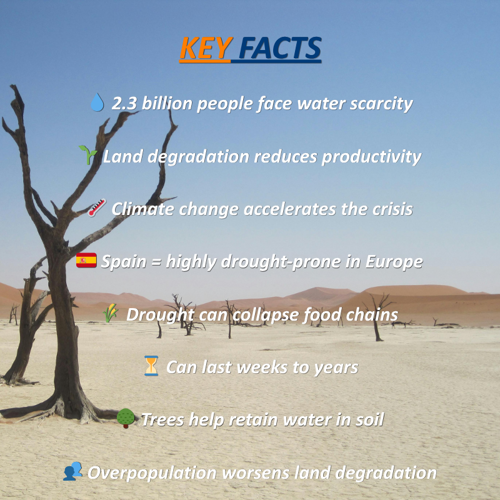
The scale of the issue is alarming. Currently, more than 2.3 billion people face water scarcity, and droughts have increased significantly over recent decades.
Desertification is largely driven by human activities combined with climate change, leading to soil degradation and reduced land productivity.
Here are some important facts that highlight the seriousness of drought:
• Spain is among the European countries most vulnerable to climate-related drought and water scarcity.
• Drought can disrupt the food chain, leading to crop failure and famine due to lack of water for irrigation.
• It can last for long periods, from weeks to months, or even years.
• Planting trees can help mitigate drought, as roots improve water absorption and retention in the soil.
• Overpopulation in drylands can worsen soil degradation, increasing the risk of desertification.
HOW TO OBSERVE WORLD DAY TO COMBAT DESERTIFICATION AND DROUGHT
There are many meaningful ways to participate in this global observance:
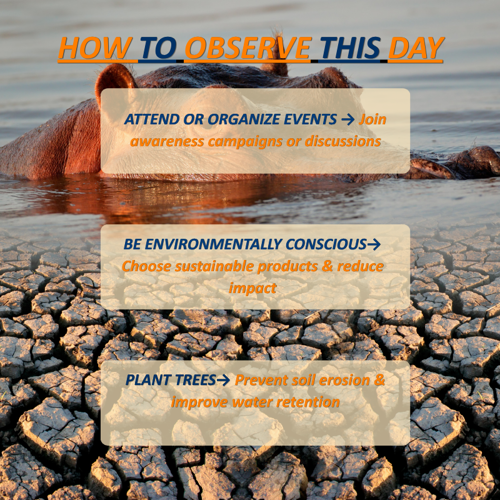
• ATTEND OR ORGANIZE GATHERING
You can take part in events or discussions dedicated to raising awareness about desertification and drought. International organizations, including the U.N., often host events that are open to the public.
• BE ENVIRONMENTALLY CONSCIOUS
Making eco-friendly choices in your daily life, such as supporting sustainable businesses, can contribute to protecting land resources and reducing environmental degradation.
• PLANT TREES
Trees are a powerful tool against desertification, as they help prevent soil erosion and improve water retention. Even planting a few trees in your backyard can make a difference.
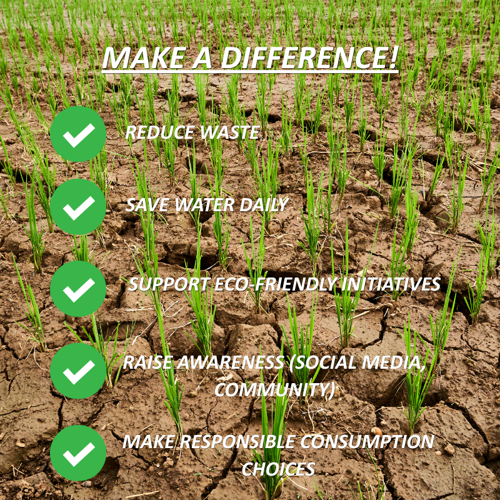
HOW YOU CAN MAKE A DIFFERENCE
Beyond this specific day, everyone has a role to play. The choices we make every day, what we eat, buy, and how we use resources, directly impact the health of our planet.
By reducing waste, conserving water, and spreading awareness, individuals can contribute to a larger global effort; small actions, when multiplied across communities, can lead to meaningful change.
CONCLUSION
World Day to Combat Desertification and Drought is a powerful reminder that the health of our land is deeply connected to our own well-being.
While the challenges of desertification and drought are significant, they are not impossible to overcome. Through collective action, sustainable practices, and increased awareness, we can restore degraded land and protect our planet for future generations.
Source: UNESCO