OVERVIEW
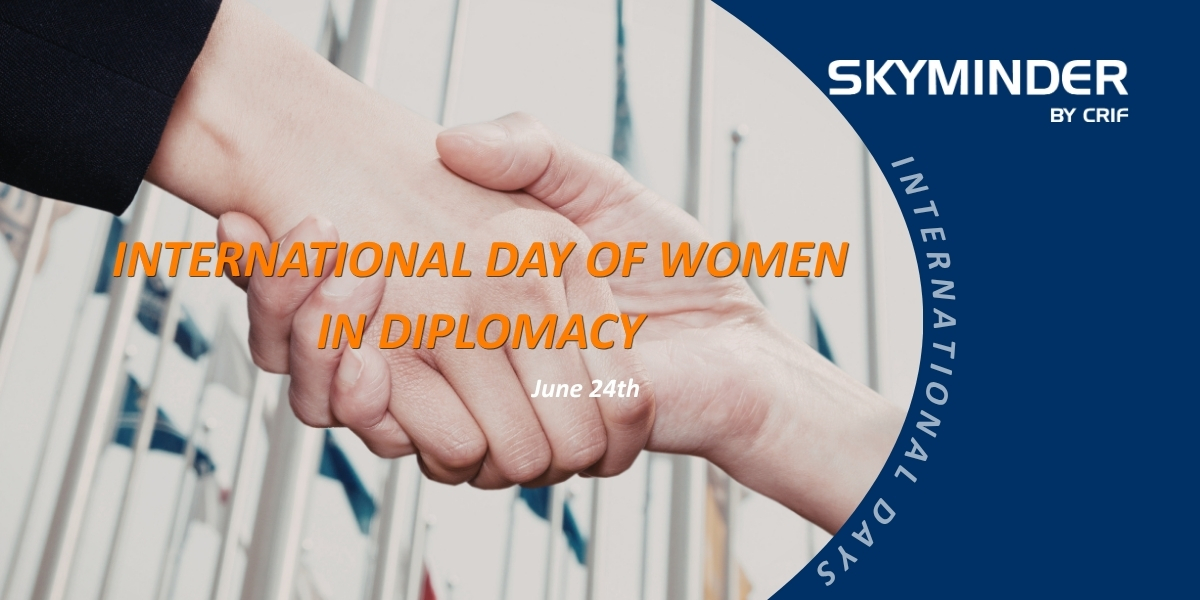
The International Day of Women in Diplomacy, observed every year on June 24, was established by the United Nations to recognize and celebrate the important contributions of women in shaping international relations.
This day highlights not only the achievements of women diplomats around the world but also the need to address the persistent gender gap in diplomatic spaces. Despite global commitments to equality, diplomacy remains a field where women are still underrepresented, especially in senior leadership roles, making this observance both timely and essential.
WHY IT MATTERS
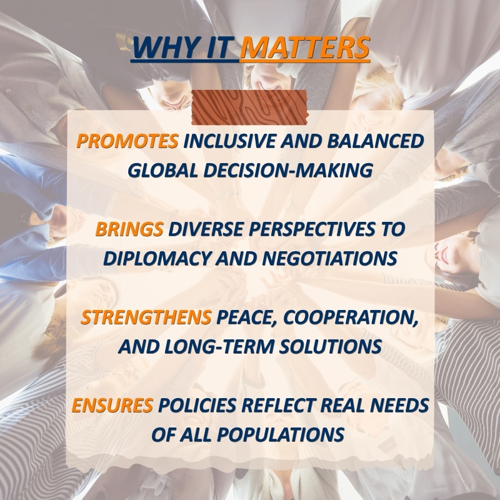
Diplomacy plays a crucial role in maintaining peace, fostering cooperation, and addressing global challenges such as conflict, climate change, and human rights.
The inclusion of women in these processes leads to more balanced, inclusive, and effective decision-making. Women diplomats often bring perspectives that prioritize dialogue, collaboration, and long-term impact, helping to bridge differences between countries and cultures. Their presence ensures that the interests and voices of a broader segment of society are represented in international policies, ultimately contributing to more sustainable and equitable outcomes.
KEY CHALLENGES
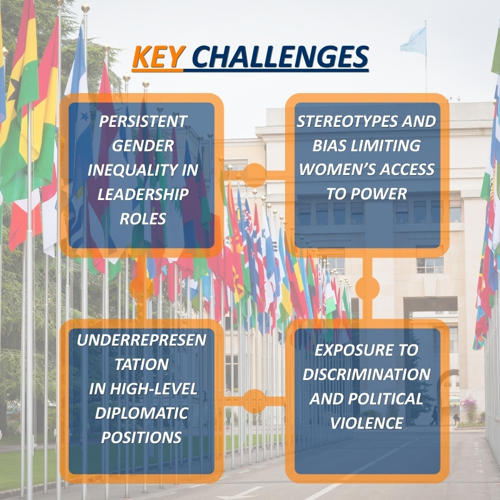
Despite progress over recent decades, women still face significant barriers in entering and advancing within diplomatic careers.
Structural inequalities, entrenched gender stereotypes, and limited access to leadership opportunities continue to hinder participation. In many contexts, women are more likely to be assigned to less influential roles, while key strategic positions remain predominantly occupied by men. Furthermore, issues such as discrimination and political violence (both online and offline) can discourage women from pursuing or remaining in diplomatic roles.
These challenges demonstrate that achieving true gender equality in diplomacy requires deeper systemic change.
MOVING FORWARD
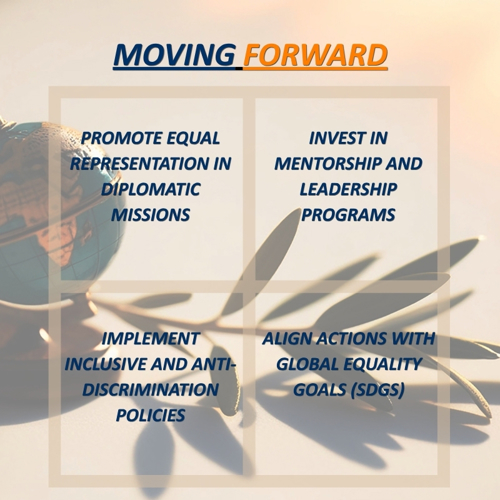
The International Day of Women in Diplomacy serves as a call to action for governments, institutions, and international organizations to take meaningful steps toward gender equality. This includes implementing policies that support women's advancement, such as mentorship programs, leadership development initiatives, and measures to prevent harassment and discrimination.
Strengthening women’s participation in diplomacy is closely aligned with global frameworks like the Sustainable Development Goals, which emphasize equality, inclusion, and empowerment. By investing in women’s leadership, the international community can build stronger, more representative institutions.
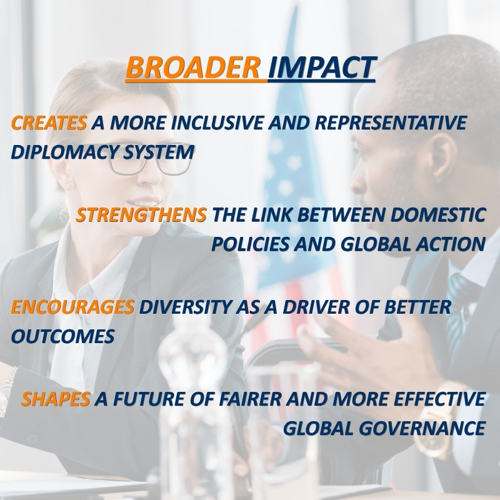
BROADER IMPACT
As more women enter diplomatic roles, the field itself is evolving. Women diplomats are increasingly shaping foreign policy agendas, advocating for human rights, and connecting domestic priorities with international action.
This growing presence reflects a broader shift toward a more inclusive approach to global governance, where diversity is seen as a strength rather than a barrier.
It also signals progress toward a future in which diplomacy is not limited to a select few but is representative of the societies it serves.
CONCLUSION
The International Day of Women in Diplomacy is more than just a symbolic observance, it is a reminder of the work that still lies ahead.
While important strides have been made, achieving equal representation in diplomacy requires continued commitment, policy change, and cultural transformation. Celebrating this day means recognizing the achievements of women diplomats while actively supporting the next generation of leaders.
Ultimately, a more inclusive diplomatic landscape will not only benefit women but will strengthen global cooperation and create a more just and balanced world for everyone.
Source: United Nations