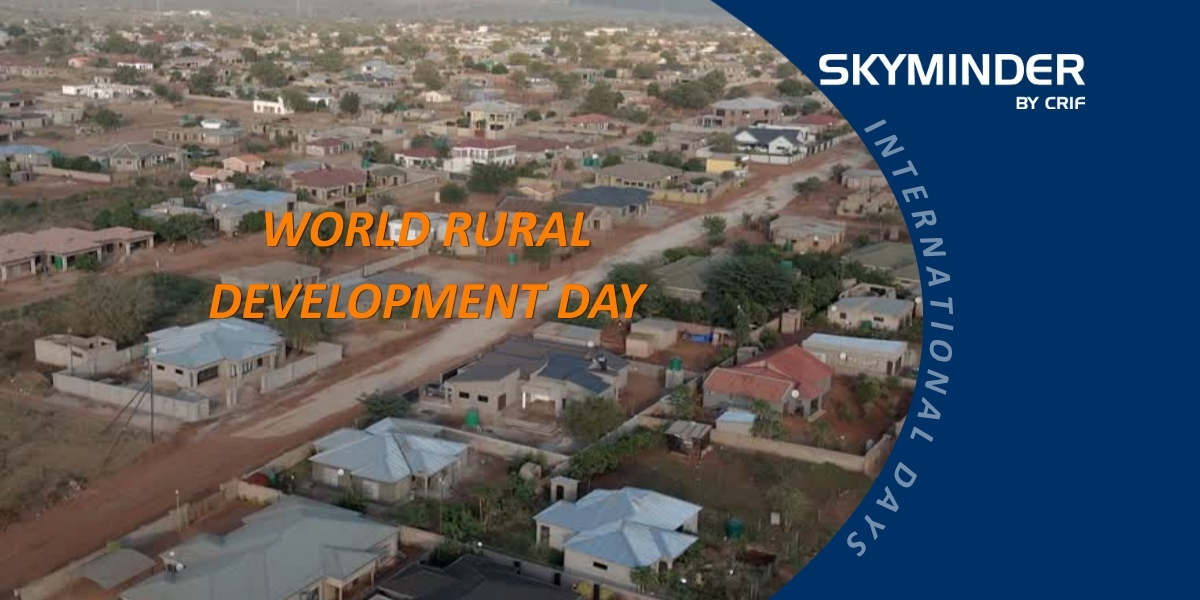
WHAT IS WORLD RURAL DEVELOPMENT DAY?
World Rural Development Day, observed annually on July 6, is a United Nations initiative designed to bring global attention to the importance of rural communities in achieving a more sustainable and inclusive future. Established by the UN General Assembly, this observance reflects a strong commitment to the 2030 Agenda for Sustainable Development and its core promise: leaving no one behind.
More than just a symbolic date, it recognizes the everyday contributions of people living in rural areas such as farmers, fishers, and local workers who sustain food systems, preserve natural resources, and support local economies. At the same time, it encourages the world to acknowledge the structural challenges they face and to work toward meaningful change.
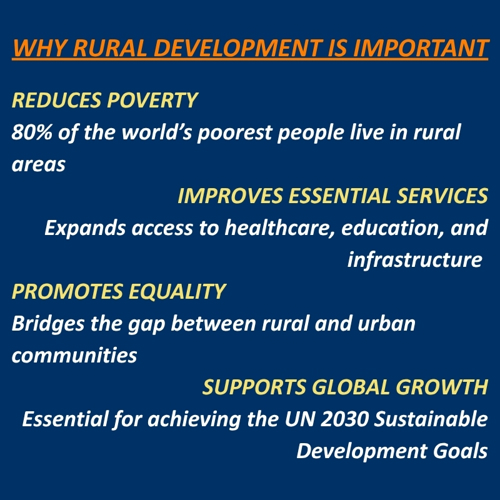
WHY RURAL DEVELOPMENT IS IMPORTANT
Rural development plays a central role in addressing some of the world’s most pressing challenges, including poverty, inequality, and food insecurity. According to the United Nations, around 80% of the world’s poorest people live in rural areas, often with limited access to healthcare, education, and economic opportunities.
These inequalities are not only a social issue but also an economic and environmental concern; without investment in rural infrastructure and services, global progress remains uneven and fragile. Supporting rural development is therefore essential not only to improve living conditions but also to ensure long-term global stability.
KEY FACTS ABOUT RURAL COMMUNITIES
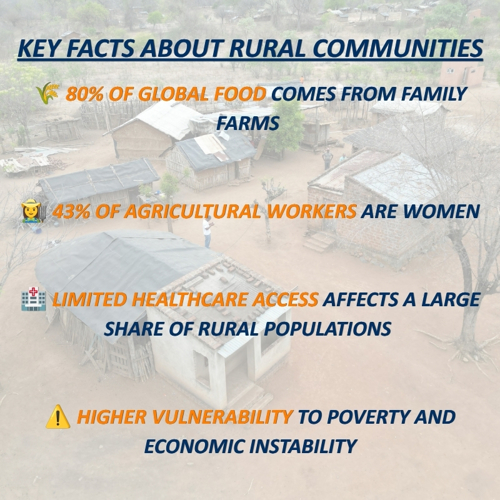
Looking at a few key figures helps to better understand the scale and importance of rural life:
• Family farms produce approximately 80% of the world’s food, making rural areas vital to global food systems.
• Women represent around 43% of the agricultural workforce, yet they often face significant barriers to land ownership, financing, and modern technologies.
• Many rural communities still lack access to adequate healthcare and social protection, increasing their vulnerability compared to urban populations.
These insights highlight a clear contrast: rural communities are essential to the world’s functioning, yet they remain among the most underserved.
GOALS OF WORLD RURAL DEVELOPMENT DAY
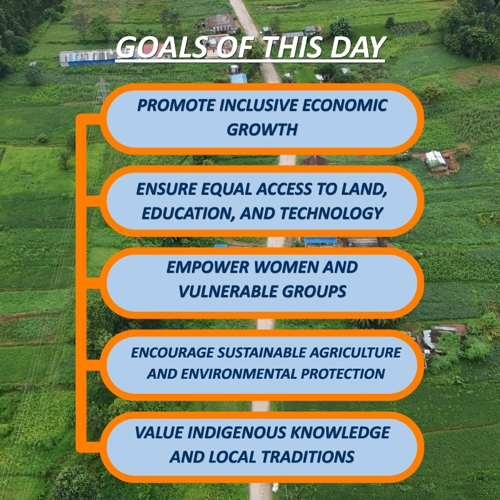
World Rural Development Day is intended to move beyond awareness and inspire real, measurable action. The United Nations calls on governments, organizations, and communities to work together to promote inclusive growth and sustainable practices.
Key priorities include improving access to land, education, and digital technologies, as well as strengthening gender equality and empowering women in rural economies. There is also a focus on recognizing Indigenous knowledge and integrating traditional practices with modern innovation. This holistic approach aims to create rural systems that are both resilient and forward-looking.
HOW YOU CAN CONTRIBUTE
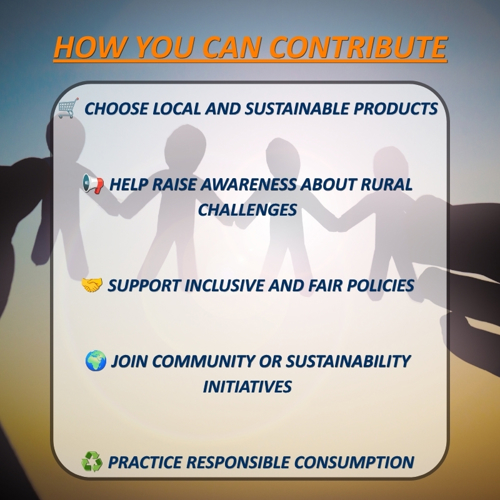
Although large-scale change often comes from institutions, individuals can also play an important role; supporting sustainable agriculture, choosing locally produced goods, and raising awareness about rural challenges are simple but impactful steps.
Participating in community initiatives or promoting responsible consumption can help create demand for fairer and more sustainable systems. World Rural Development Day encourages everyone to reflect on how their choices affect rural communities and to take part in building a more balanced global economy.
CONCLUSION
World Rural Development Day is a powerful reminder that true progress cannot be achieved without inclusive growth. Rural communities are not only beneficiaries of development, they are key contributors to global food security, environmental sustainability, and economic resilience.
Investing in these communities means addressing inequality, empowering vulnerable groups, and ensuring that development reaches even the most remote areas. As the world continues to face complex challenges, from climate change to economic instability, strengthening rural areas will be essential for building a sustainable and equitable future for all.
Sources: The United Nations