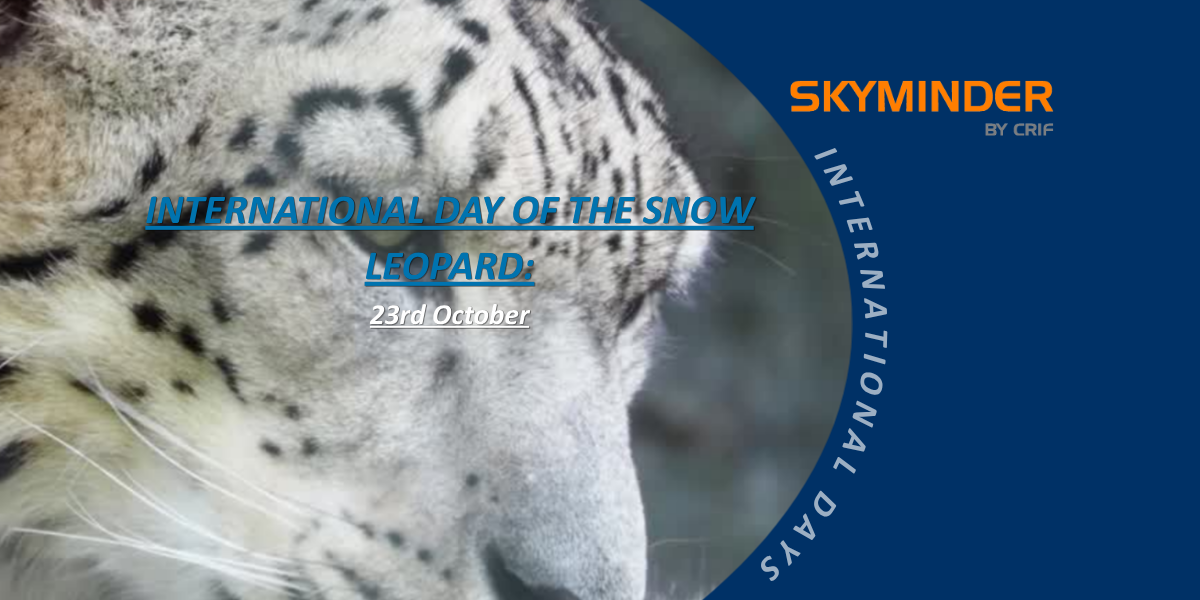
THE SNOW LEOPARD: A SYMBOL OF THE HIGH MOUNTAINS
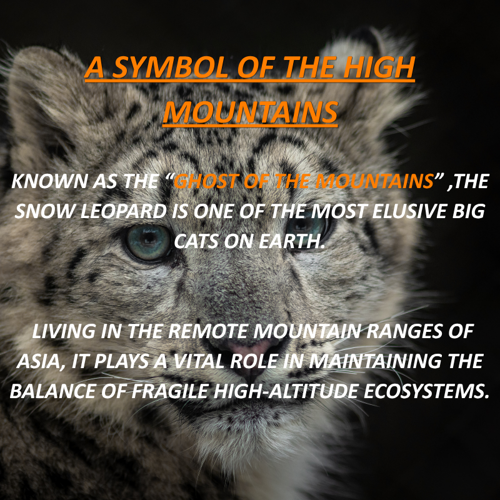
Often referred to as the “ghost of the mountains,” the snow leopard is one of the most elusive and fascinating big cats in the world. Native to the rugged mountain ranges of Asia, this remarkable species inhabits remote regions stretching across countries such as China, India, Nepal, Pakistan, Mongolia, and several Central Asian nations.
Its thick grey-white coat, powerful build, and exceptional ability to blend into snowy landscapes make it perfectly adapted to life at high altitudes. Despite its iconic status, the snow leopard is rarely seen in the wild, which has only added to its mystique and cultural significance among local communities.
WHY THE INTERNATIONAL DAY OF THE SNOW LEOPARD MATTERS
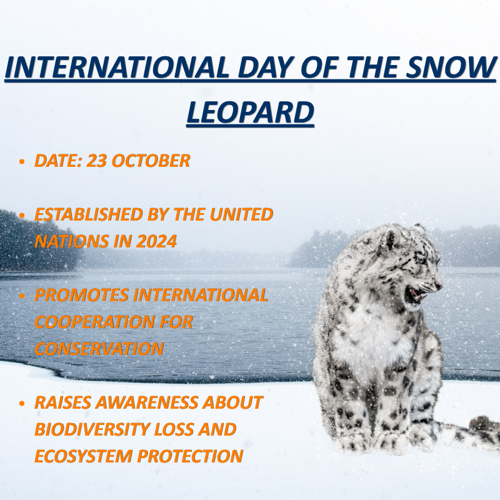
In 2024, the United Nations General Assembly officially proclaimed 23 October as the International Day of the Snow Leopard. This observance was established to strengthen international and regional cooperation aimed at protecting the species and preserving the fragile mountain ecosystems on which it depends.
The day serves as an important reminder that biodiversity loss is accelerating worldwide and that urgent measures are needed to prevent the extinction of vulnerable species. By celebrating the snow leopard, the international community also highlights the broader importance of healthy ecosystems for water security, human well-being, and environmental stability.
THE CHALLENGES FACING SNOW LEOPARDS
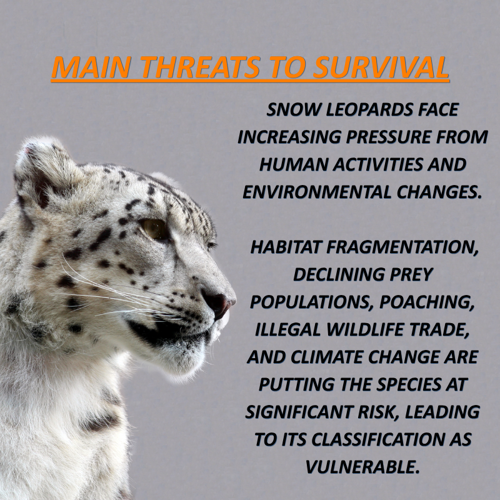
Although snow leopards have survived for thousands of years in some of the harshest environments on Earth, they now face a growing number of threats. Habitat loss and fragmentation are reducing the areas where they can live and hunt, while declining prey populations make it increasingly difficult for them to find food. In addition, illegal hunting, poaching, and wildlife trafficking continue to endanger the species.
Climate change presents another major challenge, as rising temperatures alter mountain ecosystems and threaten the delicate balance that snow leopards rely upon for survival. As a result of these pressures, the species is currently classified as “Vulnerable” on the International Union for Conservation of Nature (IUCN) Red List.
CONSERVATION EFFORTS AND INTERNATIONAL COOPERATION
Protecting the snow leopard requires collaboration across borders because the species inhabits vast mountain ranges that extend through multiple countries. Governments, conservation organizations, and local communities are working together through a variety of initiatives, including breeding programmes, conservation strategies, and ecosystem management plans.
Regional partnerships such as the Global Snow Leopard and Ecosystem Protection Programme have played a vital role in promoting research, habitat conservation, and sustainable development. These efforts aim not only to protect the snow leopard itself but also to safeguard the mountain ecosystems that provide essential resources and services to millions of people worldwide.
MORE THAN A BIG CAT: A GUARDIAN OF MOUNTAIN ECOSYSTEMS
The snow leopard is considered a flagship species, meaning its protection helps preserve entire ecosystems. Mountain regions are critical sources of freshwater and support the livelihoods of countless communities. By conserving snow leopard habitats, countries also contribute to broader environmental goals, including climate action, biodiversity protection, and the sustainable management of natural resources.
The conservation of this species therefore supports several objectives of the United Nations 2030 Agenda for Sustainable Development, demonstrating how wildlife protection and human well-being are deeply interconnected.
CONCLUSION
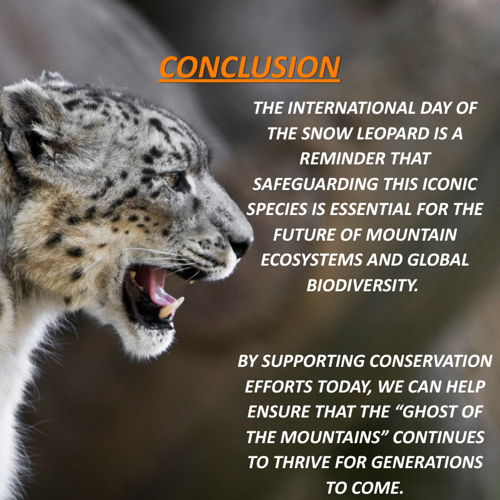
The International Day of the Snow Leopard is more than a celebration of one of the world's most extraordinary animals. It is a call to action to protect biodiversity, strengthen international cooperation, and preserve the mountain ecosystems that sustain both wildlife and people. As the “ghost of the mountains” faces increasing threats from human activity and climate change, continued conservation efforts are essential.
By raising awareness and supporting initiatives dedicated to its protection, we can help ensure that future generations will continue to share the planet with this magnificent and irreplaceable species.
Source: United Nations
