UNDERSTANDING THE IMPORTANCE OF DISASTER RISK REDUCTION
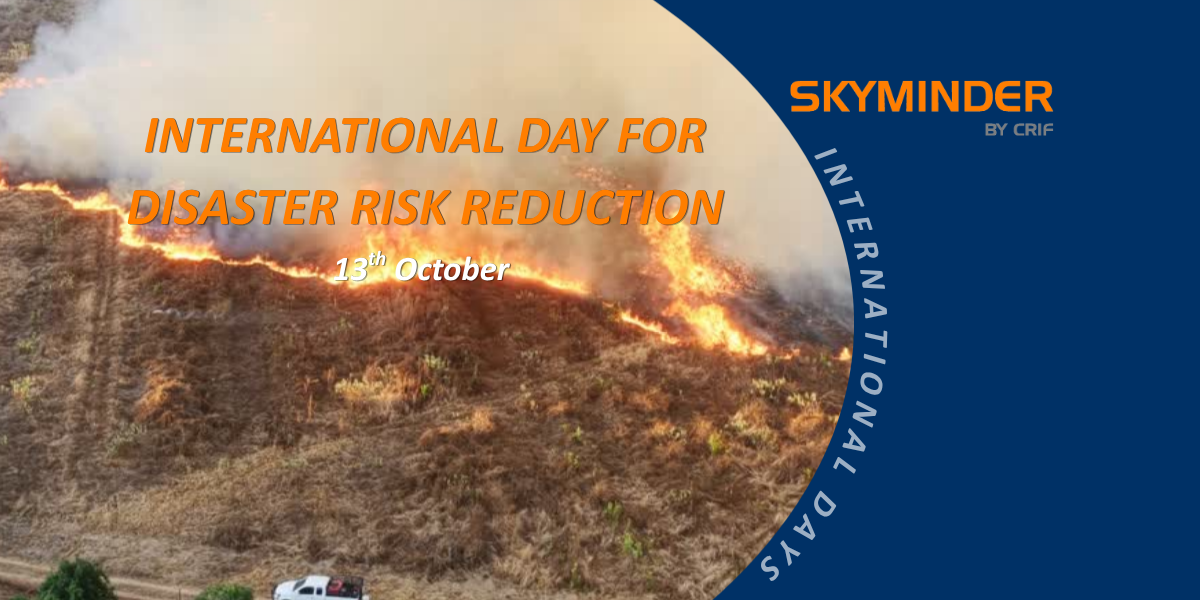
Every year on October 13, the world observes the International Day for Disaster Risk Reduction, a global initiative dedicated to raising awareness about the importance of preventing and reducing disaster risks.
Established by the United Nations in 1989, this observance encourages governments, organizations, and individuals to work together to create safer and more resilient communities. Rather than focusing solely on responding to disasters after they occur, the day highlights the need to understand risks in advance and take proactive measures that can save lives, protect livelihoods, and reduce economic losses.
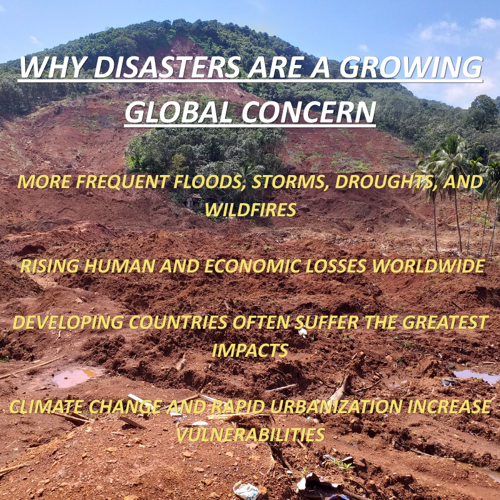
As natural hazards such as floods, droughts, storms, and wildfires become more frequent and severe, disaster risk reduction has become a critical global priority. Communities around the world are increasingly affected by the consequences of climate change, rapid urbanization, and unsustainable development practices. The International Day for Disaster Risk Reduction reminds us that preparedness, planning, and resilience are essential tools for facing these growing challenges.
WHY DISASTERS ARE A GROWING GLOBAL CONCERN
Disasters have far-reaching consequences that extend beyond immediate damage and loss of life. They can disrupt economies, destroy infrastructure, displace entire populations, and hinder sustainable development for years.
According to the United Nations, direct disaster-related costs amount to hundreds of billions of dollars annually, while the broader economic impacts are estimated to be much higher. Developing countries are often the most affected because they have fewer resources to prepare for and recover from emergencies.
In addition to economic losses, disasters place enormous pressure on public services and humanitarian systems. Sudden events such as earthquakes, floods, and hurricanes force millions of people to leave their homes each year.
Vulnerable groups, including children, older adults, and low-income communities, frequently experience the greatest consequences. These realities demonstrate why reducing risks before disasters occur is not only a humanitarian necessity but also an economic and social investment.
THE SENDAI FRAMEWORK AND GLOBAL ACTION
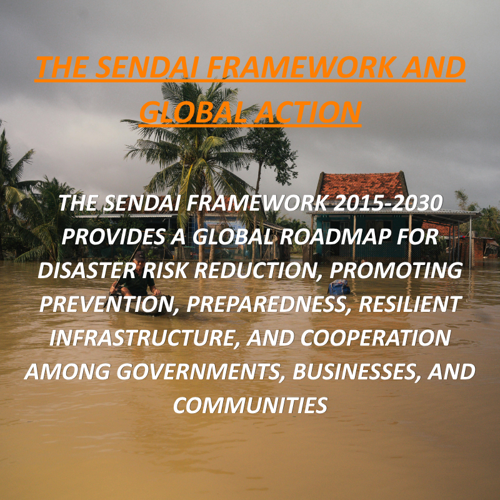
A major milestone in international disaster risk management was the adoption of the Sendai Framework for Disaster Risk Reduction 2015-2030 during the Third UN World Conference on Disaster Risk Reduction in Sendai, Japan.
This global agreement provides a roadmap for reducing disaster risks and strengthening resilience at local, national, and international levels. Its objectives include preventing new risks, reducing existing vulnerabilities, and improving preparedness for effective response and recovery.
The framework recognizes that disaster risk reduction is a shared responsibility involving governments, businesses, civil society organizations, researchers, and local communities. Effective policies require collaboration, reliable risk data, early warning systems, resilient infrastructure, and public education.
By promoting these approaches, the international community aims to minimize losses and create safer environments for future generations.
THE ROLE OF COMMUNITIES AND INDIVIDUALS
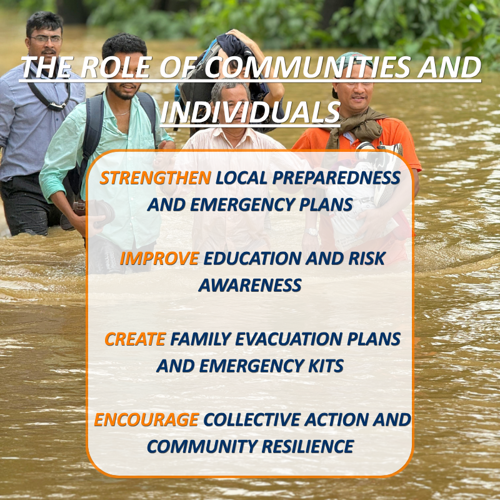
While international agreements and government policies are important, disaster risk reduction begins at the local level. Communities are often the first to experience the effects of disasters and the first to respond when emergencies occur. Strengthening local capacities through training, awareness campaigns, and emergency preparedness plans can significantly reduce the impact of hazards.
Individuals also play a vital role in building resilience. Learning about local risks, preparing emergency kits, creating family evacuation plans, and staying informed about weather alerts are simple yet effective actions that increase safety.
Educational initiatives associated with the International Day for Disaster Risk Reduction encourage people to take responsibility for preparedness and share knowledge within their communities. Collective action helps create a culture of prevention where everyone contributes to reducing risks and protecting lives.
INVESTING IN RESILIENCE FOR THE FUTURE
One of the key messages promoted by recent editions of the International Day for Disaster Risk Reduction is the need to invest more in resilience rather than paying the much higher costs of disasters after they occur.
The United Nations emphasizes that funding for disaster risk reduction remains very low despite the enormous economic and social benefits it provides. Investments in resilient infrastructure, climate adaptation, risk-informed development, and preparedness programs can significantly reduce future losses.
The private sector also has an important role to play. Since businesses influence a large share of global investments, incorporating disaster and climate risks into planning and decision-making can help prevent future vulnerabilities. When governments, companies, and communities prioritize resilience, they create stronger societies that are better equipped to face uncertainties and recover more quickly from crises.
CONCLUSION
The International Day for Disaster Risk Reduction serves as a powerful reminder that disasters are not inevitable tragedies but risks that can be understood, managed, and reduced.
Through global cooperation, informed policies, community engagement, and long-term investments in resilience, societies can better protect people, economies, and the environment.
As climate-related hazards and other threats continue to grow, building a culture of prevention has never been more important. By acting today, we can create safer and more resilient communities for generations to come.
Sources: United Nations
