WHY AUDIOVISUAL HERITAGE MATTERS
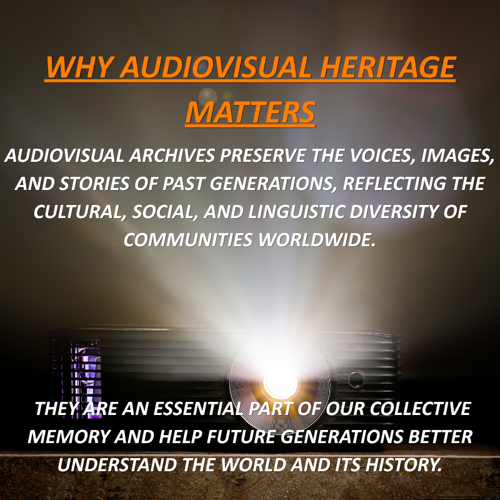
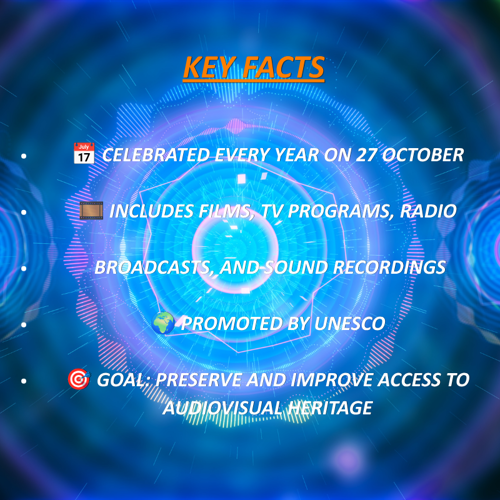
Every year on 27 October, the world celebrates the World Day for Audiovisual Heritage, a global observance dedicated to recognizing the importance of preserving films, television programs, radio broadcasts, sound recordings, and other audiovisual materials that document human history. These records are far more than simple entertainment or historical artifacts.
They capture the voices, emotions, traditions, and experiences of people across generations, offering unique insights into cultures and societies that might otherwise be forgotten. According to UNESCO, audiovisual archives represent a priceless part of our collective memory and reflect the cultural, social, and linguistic diversity of communities around the world.
In an age where information is increasingly digital, preserving these materials has become more urgent than ever. Old film reels, magnetic tapes, and other recording formats are vulnerable to deterioration, while technological obsolescence can make valuable content inaccessible. Protecting audiovisual heritage ensures that future generations can continue to learn from and connect with the stories of the past.
THE ORIGINS OF THE WORLD DAY FOR AUDIOVISUAL HERITAGE
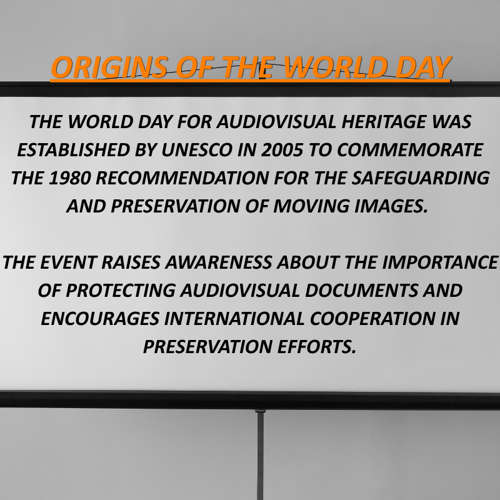
The World Day for Audiovisual Heritage has its roots in UNESCO’s long-standing commitment to safeguarding documentary heritage. The observance commemorates the adoption of the 1980 Recommendation for the Safeguarding and Preservation of Moving Images, an important milestone that highlighted the need for international cooperation in preserving audiovisual records. UNESCO officially established the World Day for Audiovisual Heritage in 2005, in collaboration with the Coordinating Council of Audiovisual Archives Associations (CCAAA)
The day serves not only as a celebration of audiovisual archives but also as a call to action. It encourages governments, cultural institutions, archivists, and the public to recognize the risks facing these materials and to support efforts aimed at their preservation.
Through conferences, exhibitions, screenings, educational programs, and public awareness campaigns, the observance highlights the global significance of audiovisual heritage and promotes access to these invaluable resources.
CHALLENGES IN PRESERVING AUDIOVISUAL RECORDS
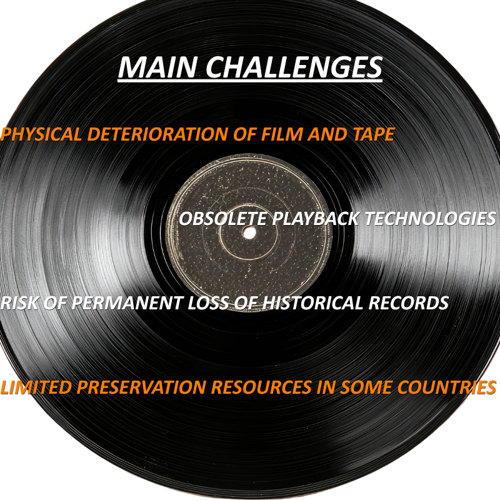
Despite their immense historical and cultural value, audiovisual materials face numerous threats. Physical media naturally deteriorate over time, and many recordings are stored on fragile formats that require specialized conservation techniques. Furthermore, rapid technological change means that equipment once used to play or view these recordings is often no longer available, making it increasingly difficult to access older content.
The consequences of inaction can be severe. Experts estimate that a significant portion of the world's audiovisual heritage has already been lost because of neglect, decay, and outdated technologies. Countless films, recordings, and broadcasts that once documented important moments in history have disappeared forever.
This loss represents more than missing media; it means losing irreplaceable evidence of cultural traditions, languages, artistic achievements, and social developments that help shape our understanding of humanity.
HOW TECHNOLOGY IS HELPING TO SAFEGUARD THE PAST
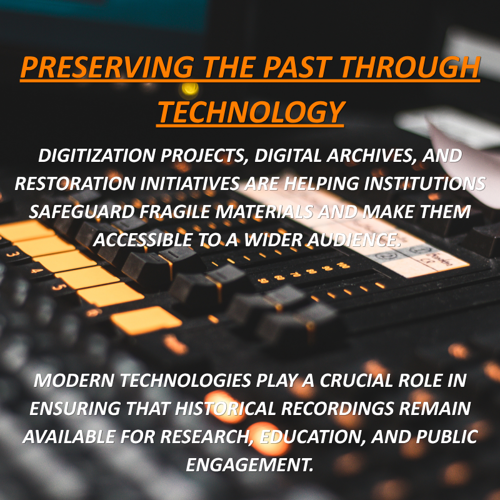
Modern technology is playing a crucial role in preserving audiovisual heritage. Digitization projects allow fragile materials to be converted into digital formats that can be stored securely, restored, and shared more easily with audiences worldwide.
UNESCO itself has launched initiatives aimed at digitizing archival collections and improving public access to historical materials. These efforts help ensure that important audiovisual documents remain available not only to researchers and historians but also to students and the wider public.
At the same time, libraries, archives, museums, and cultural organizations across the globe are investing in advanced preservation techniques and digital infrastructure. By combining traditional archival expertise with modern technology, these institutions are helping to protect memories that would otherwise be at risk of disappearing.
Their work demonstrates that preserving the past is not only about safeguarding artifacts but also about ensuring that future generations can continue to learn from them.
A COLLECTIVE RESPONSIBILITY
The preservation of audiovisual heritage is not solely the responsibility of archivists and cultural institutions. Individuals can also contribute by digitizing family recordings, protecting personal archives, and supporting organizations dedicated to preservation.
Every photograph, recording, and home video tells a story, and together these stories form part of a broader human narrative. The World Day for Audiovisual Heritage reminds us that safeguarding these memories is a shared responsibility that connects generations and cultures across the world.
CONCLUSION
The World Day for Audiovisual Heritage is much more than an annual observance. It is a reminder of the vital role that audiovisual records play in preserving our collective memory, documenting cultural diversity, and helping us understand the world around us.
As technological change accelerates and older media continue to deteriorate, the need for preservation becomes increasingly urgent. By supporting archives, embracing digitization, and recognizing the value of audiovisual materials, we can ensure that the voices, images, and stories of the past remain accessible for generations to come.
Sources: United Nations
