UNDERSTANDING THE CHALLENGES OF LANDLOCKED DEVELOPING COUNTRIES
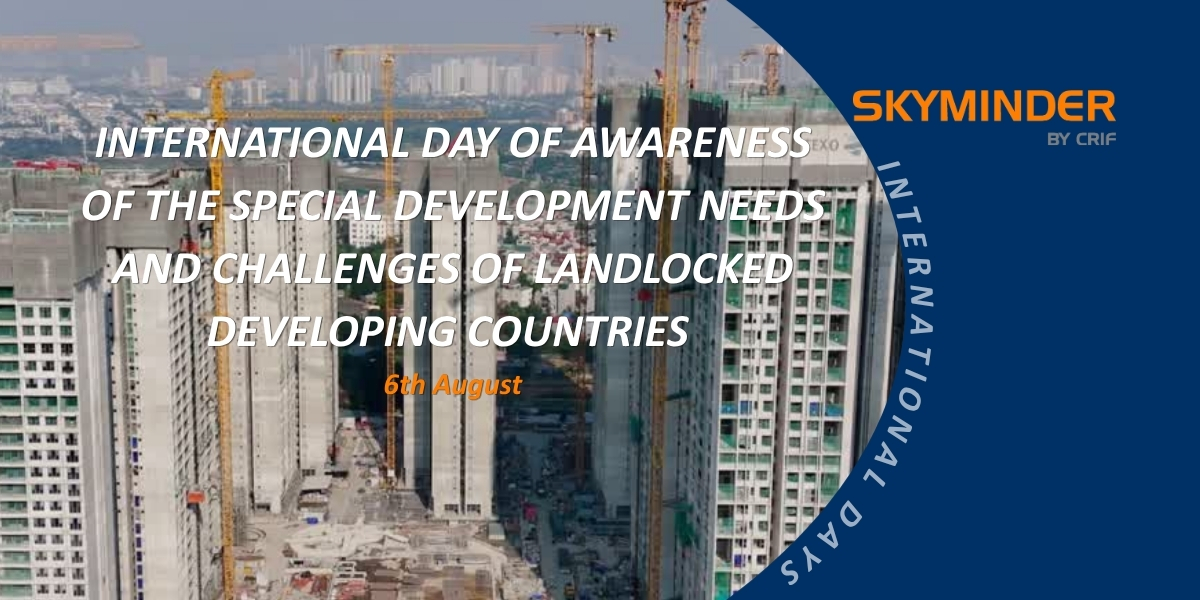
Every year on 6 August, the International Day of Awareness of the Special Development Needs and Challenges of Landlocked Developing Countries draws global attention to the unique obstacles faced by nations without direct access to the sea. These countries, known as Landlocked Developing Countries (LLDCs), depend heavily on neighboring transit countries to reach international markets, making trade and economic development significantly more complex than in coastal nations.
Today, there are 32 LLDCs across Africa, Asia, Europe, and South America, home to more than 600 million people. The observance serves as a reminder that geography can have a profound impact on development opportunities and economic prosperity.
WHEN GEOGRAPHY BECOMES AN ECONOMIC BARRIER
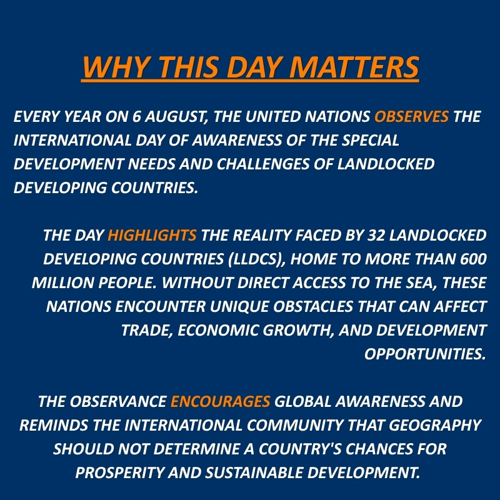
Being landlocked creates a chain of challenges that affects nearly every aspect of development. Without direct access to ports and maritime trade routes, LLDCs face substantially higher transportation costs and longer delivery times. Goods often need to cross several borders before reaching international markets, increasing expenses and exposing trade to delays, bureaucracy, and regional instability.
According to the United Nations, transport costs in these countries are on average more than twice as high as those in neighboring coastal states. As a result, exports become less competitive, foreign investment is harder to attract, and economic growth is often slower. These difficulties are particularly severe when transit countries also face development challenges of their own, limiting regional trade opportunities and connectivity.
THE HUMAN IMPACT OF ISOLATION
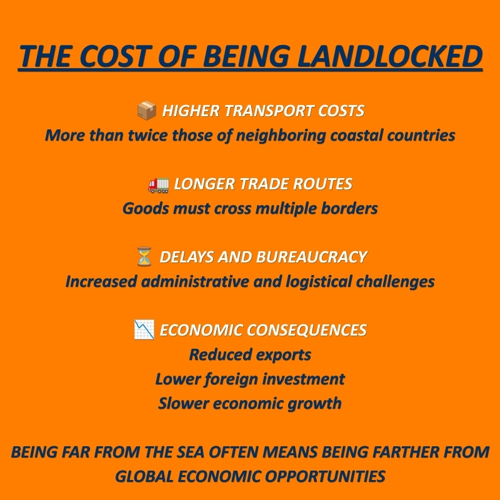
The consequences of geographic isolation extend far beyond economics. Many LLDCs struggle with poverty, limited infrastructure, and reduced access to essential services. The United Nations highlights that approximately 40% of the urban population in LLDCs lives in slums, representing around 100 million people.
Food insecurity is also a major concern, with rates of undernourishment significantly higher than the global average. Furthermore, half of all LLDCs are classified as Least Developed Countries (LDCs), making it even more difficult to overcome structural barriers to development. These realities demonstrate that the challenges faced by landlocked nations directly affect the daily lives, opportunities, and well-being of millions of people.
BUILDING PARTNERSHIPS FOR SUSTAINABLE DEVELOPMENT
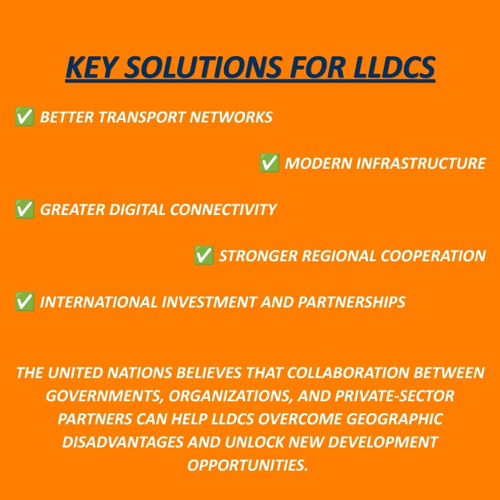
Recognizing these challenges, the United Nations emphasizes the importance of international cooperation and strategic partnerships. Investments in transportation networks, infrastructure, digital connectivity, and sustainable development initiatives can help reduce the disadvantages caused by geographic isolation.
The Third United Nations Conference on Landlocked Developing Countries (LLDC3), held in Awaza, Turkmenistan, represents an important opportunity for governments, development agencies, and private-sector partners to collaborate on innovative solutions. Through stronger partnerships and targeted support, the international community can help LLDCs improve access to global markets, strengthen economic resilience, and create new opportunities for growth and development.
RAISING AWARENESS THROUGH THE #LOCKEDOUT CAMPAIGN
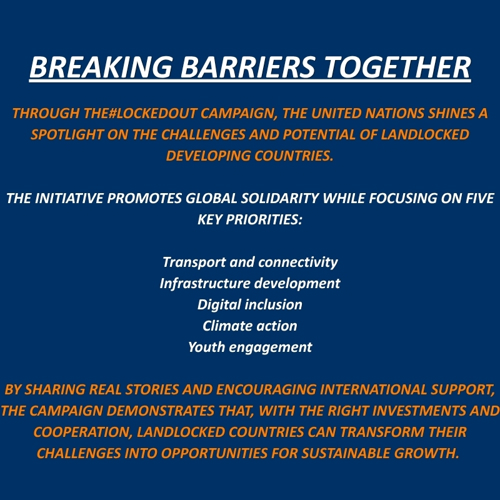
A key initiative supporting this international day is the United Nations'#LockedOut campaign, which seeks to increase awareness of the barriers faced by LLDCs while highlighting stories of resilience and progress. The campaign focuses on critical areas such as transport and connectivity, infrastructure development, digital inclusion, climate action, and youth engagement.
By bringing together governments, civil society, international organizations, and individuals, the campaign encourages global solidarity and promotes practical solutions that can help landlocked countries overcome their unique development constraints. It also reminds the world that despite significant obstacles, these nations possess immense potential that can be unlocked through collective action and sustained commitment.
CONCLUSION
The International Day of Awareness of the Special Development Needs and Challenges of Landlocked Developing Countries is more than a commemorative observance. It is a call to recognize how geography can shape development outcomes and why targeted support is essential for achieving global equality and sustainable growth.
By raising awareness, strengthening partnerships, and investing in infrastructure and connectivity, the international community can help ensure that landlocked developing countries are no longer constrained by their location. Supporting these nations means creating opportunities for hundreds of millions of people and contributing to a more inclusive, prosperous, and interconnected world.
Source: United Nations