HONOURING THE LEGACY OF PEOPLE OF AFRICAN DESCENT
Every year on 31 August, the world observes the International Day for People of African Descent, a United Nations observance dedicated to recognizing the rich heritage, cultural diversity, and global contributions of people of African descent.
Established by the UN General Assembly, the day serves as an opportunity not only to celebrate achievements across art, science, politics, education, and culture, but also to promote respect for human rights and equal opportunities. It acknowledges the enduring influence of the African diaspora in shaping societies around the world while encouraging greater awareness of the challenges that many Afro-descendant communities still face today.
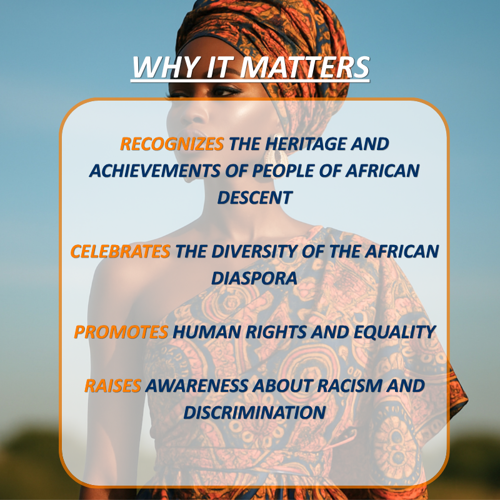
RECOGNITION, JUSTICE AND DEVELOPMENT
The observance is closely connected to the United Nations' commitment to advancing the pillars of recognition, justice, and development for people of African descent. Despite progress in many countries, racial discrimination, social exclusion, and structural inequalities continue to affect millions of individuals worldwide.
The UN emphasizes that all people are born free and equal in dignity and rights and calls on governments, institutions, and communities to actively combat racism in all its forms. The International Day therefore serves as both a celebration of achievements and a reminder that greater efforts are needed to create inclusive societies where everyone can thrive regardless of race or origin.
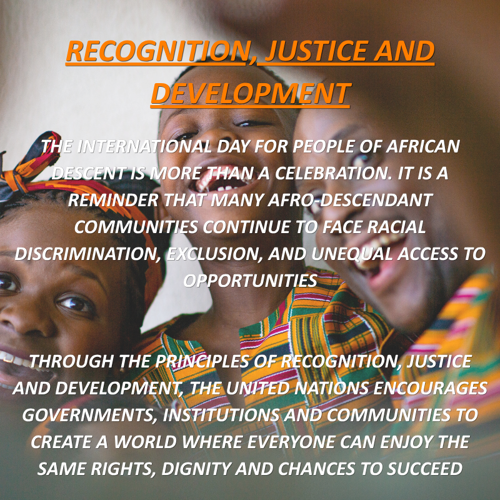
PRESERVING CULTURAL MEMORY THROUGH DIGITAL HERITAGE
A key theme highlighted by UNESCO is the importance of digital heritage in preserving the stories, traditions, and historical experiences of people of African descent. In an increasingly digital world, technology offers new opportunities to document cultural practices, safeguard historical records, and amplify voices that have often been overlooked in mainstream narratives.
Digital archives, online collections, audiovisual resources, and virtual exhibitions help ensure that future generations can access and learn from the cultural wealth of African and Afro-descendant communities. By preserving these legacies in digital formats, societies can strengthen cultural understanding, promote historical accuracy, and celebrate the resilience and creativity of people of African descent across generations.
A GLOBAL COMMUNITY WITH LASTING IMPACT
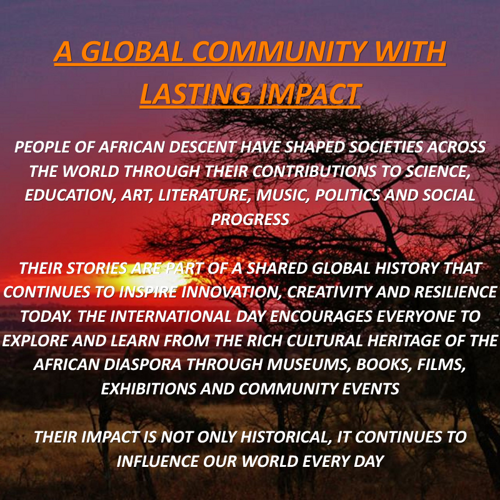
Today, approximately 200 million people of African descent live in the Americas, forming part of a global diaspora that has profoundly influenced the development of nations and cultures worldwide. From literature, music, and art to scientific innovation, social movements, and political leadership, the contributions of people of African descent have enriched every aspect of modern society.
The International Day encourages people everywhere to learn more about this shared history by engaging with museums, cultural institutions, educational programs, films, books, and community events that highlight the experiences and accomplishments of Afro-descendant communities.
LOOKING AHEAD: BUILDING A MORE INCLUSIVE FUTURE
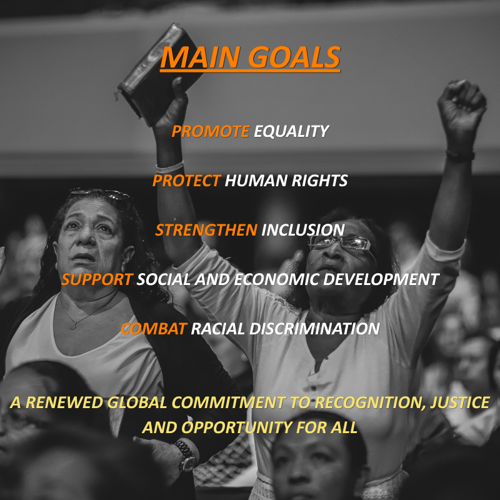
The significance of this observance extends beyond remembrance and celebration. In 2024, the United Nations launched the Second International Decade for People of African Descent (2025-2034), reaffirming its commitment to advancing equality and combating racial injustice worldwide.
This initiative seeks to strengthen international cooperation and support policies that protect rights, foster inclusion, and create opportunities for future generations. It represents a renewed effort to ensure that the voices, experiences, and aspirations of people of African descent remain at the center of global conversations about human rights, social justice, and sustainable development.
CONCLUSION
The International Day for People of African Descent is much more than a commemorative date. It is a global call to recognize the invaluable contributions of people of African descent, preserve their cultural heritage, and address the inequalities that continue to persist.
By celebrating diversity, promoting historical awareness, embracing digital preservation, and supporting equal opportunities, societies can move closer to a future built on dignity, respect, and inclusion for all.
Sources: United Nations