PRODUCT CLASSIFICATION
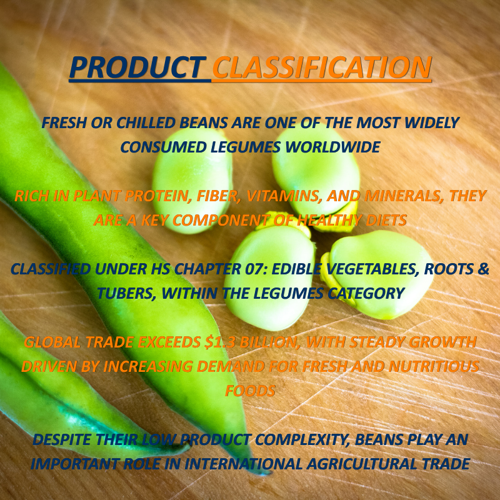
Beans, whether traded shelled or unshelled and sold fresh or chilled, are among the most widely cultivated and consumed legumes in the world. Valued for their versatility, nutritional richness, and role in traditional cuisines, fresh beans provide an important source of plant-based protein, dietary fiber, vitamins, and minerals. Their adaptability to different climates and farming systems has made them a staple crop across Asia, Africa, Europe, and the Americas.
From a trade perspective, beans belong to the Vegetable Products section and are classified within HS Chapter 07: Edible vegetables, roots and tubers, specifically under the Legumes category. Despite being a relatively low-complexity agricultural commodity, fresh beans occupy an important niche in international food markets thanks to growing consumer demand for healthy diets, fresh produce, and plant-based foods.
Global trade in fresh or chilled beans is valued at approximately $1.3 billion, representing around 0.0057% of total world trade. Over recent years, the sector has demonstrated steady expansion, with annualized growth exceeding 6.7%, supported by improvements in cold-chain logistics, international supply networks, and year-round demand from major consumer markets.
Among thousands of products exchanged internationally, fresh beans rank around 1,953rd in global trade value. According to the Product Complexity Index (PCI), they record a score of approximately–2.16, reflecting their relatively simple production processes and widespread cultivation across developing and developed economies alike.
EXPORT
Fresh bean exports are concentrated among a group of highly competitive agricultural producers that benefit from favorable climates, established farming expertise, and efficient export infrastructure.
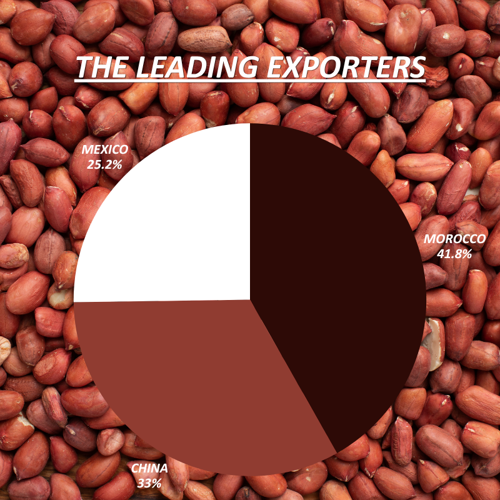
The leading exporters are:
• Morocco – approximately $318M
• China – approximately $251M
• Mexico – approximately $192M
Morocco has established itself as the world's leading exporter thanks to its proximity to European markets, advanced greenhouse production, and strong integration within international supply chains. China leverages its vast agricultural capacity and competitive production costs, while Mexico benefits from close commercial links with North American markets and year-round growing conditions.
Countries where fresh bean exports represent the largest share of total national exports include:
• Rwanda – 1.2%
• Guatemala – 0.6%
• Gambia – 0.51%
These percentages underline the importance of bean cultivation as a specialized export sector within smaller agricultural economies.
The countries generating the largest trade surpluses are:
• Morocco – approximately $318M
• China – approximately $249M
• Mexico – approximately $186M
These strong positive balances highlight the competitiveness of their agricultural sectors and their ability to meet growing international demand.
IMPORT
Demand for fresh beans is driven by densely populated consumer markets, major food distribution hubs, and economies where local production cannot fully satisfy consumption requirements throughout the year.
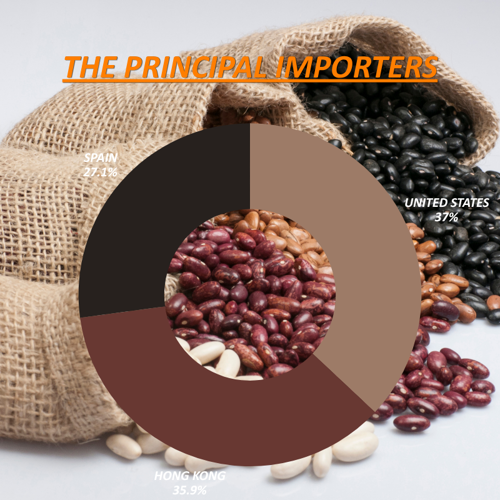
The principal importers are:
• United States – approximately $259M
• Hong Kong – approximately $251M
• Spain – approximately $190M
The United States remains a major destination for imported fresh beans due to strong consumer demand and seasonal supply gaps. Hong Kong serves as an important gateway for regional distribution across Asia, while Spain combines domestic consumption with its role as a key European produce market.
The largest trade deficits are recorded by:
• Hong Kong – approximately–$251M
• United States – approximately–$221M
• Spain – approximately–$142M
These deficits reflect a high dependence on imported fresh beans to ensure continuous availability and meet consumer preferences throughout the year.
CURIOSITY CORNER: THE SURPRISING WORLD OF FRESH BEANS
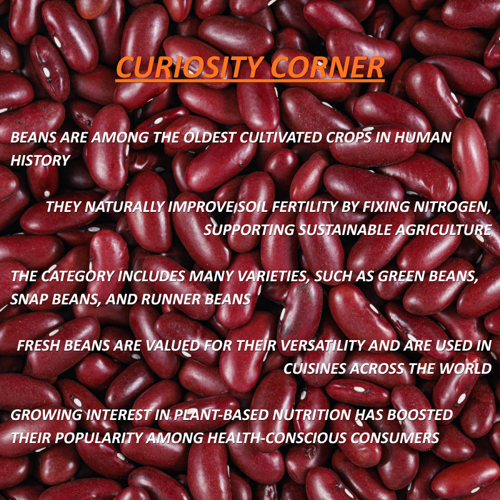
Fresh beans have been cultivated for thousands of years and are among humanity's oldest domesticated crops. Archaeological evidence suggests that different bean varieties were independently cultivated in both the Americas and parts of Africa long before global trade connected continents.
One of the most remarkable characteristics of beans is their ability to improve soil health. Through a natural partnership with nitrogen-fixing bacteria, bean plants enrich the soil by converting atmospheric nitrogen into nutrients that can be used by future crops. This makes them an important component of sustainable agriculture and crop-rotation systems.
Fresh beans are also incredibly diverse. The category includes green beans, snap beans, runner beans, and numerous local varieties, each with unique flavors, textures, and culinary uses. They can be steamed, grilled, stir-fried, incorporated into salads, or used in traditional dishes worldwide.
Another interesting fact is that beans have become increasingly popular among consumers seeking healthier and more sustainable sources of nutrition. Their combination of fiber, vitamins, antioxidants, and plant protein aligns perfectly with modern dietary trends focused on wellness and balanced eating.
CONCLUSION
The global market for fresh or chilled beans demonstrates the continuing importance of agricultural commodities in international trade. Supported by strong demand for healthy foods and expanding global supply chains, trade in fresh beans continues to show solid growth and international relevance. Major exporters such as Morocco, China, and Mexico have built highly competitive positions, while key importing markets including the United States, Hong Kong, and Spain ensure steady global demand.
Although fresh beans are classified as a low-complexity product, their international success depends on sophisticated logistics, efficient cold-chain transportation, and reliable agricultural production. As consumers increasingly embrace nutritious and plant-based foods, fresh beans are expected to remain an important component of global agricultural trade, connecting producers and consumers across multiple continents.