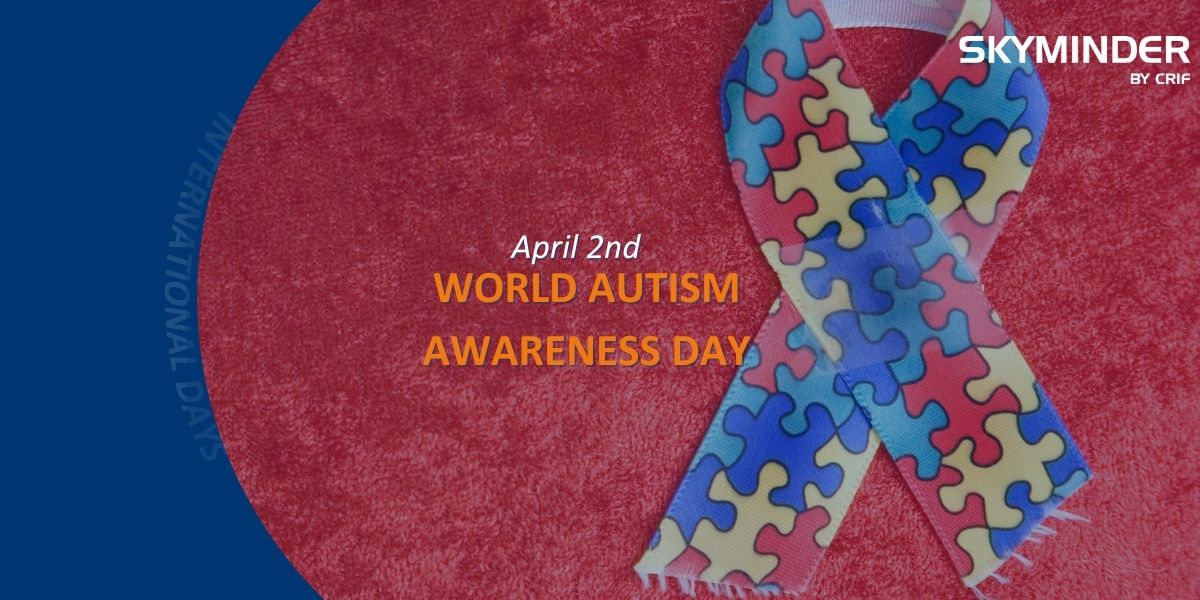
Advancing Neurodiversity and the Sustainable Development Goals: World Autism Awareness Day 2025
Introduction
Every year on 2 April, the international community marks World Autism Awareness Day (WAAD), a United Nations–designated observance dedicated to promoting the rights and well‑being of autistic individuals around the globe. Since its establishment in 2007, WAAD has evolved from an awareness‑raising initiative into a powerful global movement advocating acceptance, inclusion, and meaningful participation of autistic people in all areas of society. Driven largely by autistic advocates and allies, this shift reflects an increasing understanding of neurodiversity as an integral part of human identity and of the value neurodivergent individuals bring to communities, workplaces and innovation systems.
From Awareness to Inclusion: A Global Shift
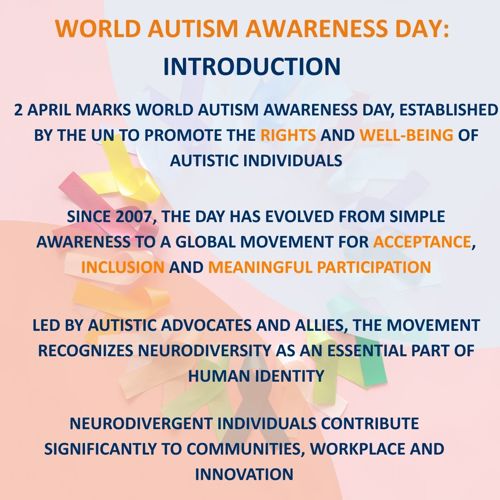
The original UN General Assembly resolution of 2007 (A/RES/62/139) emphasized the need to expand public understanding of autism. Seventeen years later, the conversation has broadened significantly, moving beyond awareness to actively promoting acceptance and appreciation. Today, neurodiversity is recognized as a key dimension of human diversity, shaping experiences, creativity and problem‑solving in unique ways. This global shift acknowledges that inclusion is not only a matter of human rights but also a driver of social and economic progress. Autistic individuals continue to play a crucial role in advancing this movement, amplifying lived experiences and advocating for equity, accessibility and respect.
WAAD 2025: Neurodiversity and the Sustainable Development Goals
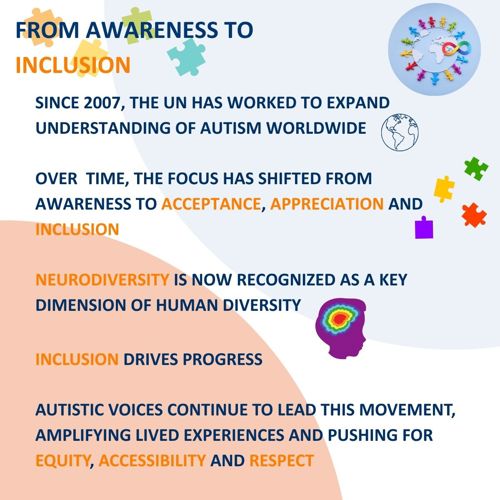
The 2025 observance of World Autism Awareness Day centers on the theme “Advancing Neurodiversity and the UN Sustainable Development Goals (SDGs)”. This year’s virtual event brings together policymakers, global experts and autistic voices to explore how inclusive policies can accelerate progress toward a more equitable world.
Panels and keynote sessions address a range of interconnected topics: inclusive healthcare, quality education, accessible employment, reducing inequalities, and designing autism‑friendly cities. By examining the links between neurodiversity and the SDGs, the event highlights how empowering neurodivergent individuals contributes directly to building resilient communities, fostering innovation, and strengthening social and economic sustainability.
The event is organized by the Institute of Neurodiversity (ION), a neurominority-founded global membership organization headquartered in Switzerland and active in 40 countries. As the world’s largest neurodiversity-led initiative, ION works to ensure equal opportunities, representation, and acceptance for neurominorities, while promoting education and collaboration across sectors.
Building Inclusive Societies Through Collaboration
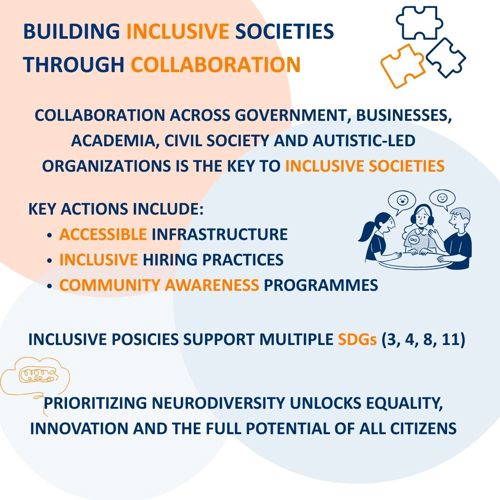
World Autism Awareness Day 2025 underscores the importance of sustained, coordinated action to eliminate barriers and build inclusive societies. Advancing neurodiversity requires partnerships spanning governments, businesses, academia, civil society and autistic-led organizations. Investing in accessible infrastructure, promoting inclusive hiring practices, and expanding community awareness programs helps create environments where autistic people can thrive.
This multidimensional approach not only benefits individuals but also contributes to the broader sustainable development agenda. Inclusive healthcare supports the SDG on well‑being. Accessible education reinforces lifelong learning. Workplace inclusion strengthens economic growth. And autism‑friendly urban planning advances the goal of building sustainable, inclusive communities. By prioritizing neurodiversity, societies can unlock the full potential of all citizens while promoting equality and innovation.
Conclusion
As the global community marks World Autism Awareness Day 2025, the message is clear: advancing neurodiversity is essential for building a fairer, healthier and more sustainable world. Through awareness, acceptance and action, society can empower autistic individuals to participate fully and meaningfully in all aspects of life. By aligning inclusive policies with the UN Sustainable Development Goals, we take a significant step toward a future where everyone, regardless of neurotype, can contribute, succeed and be valued.