OVERVIEW
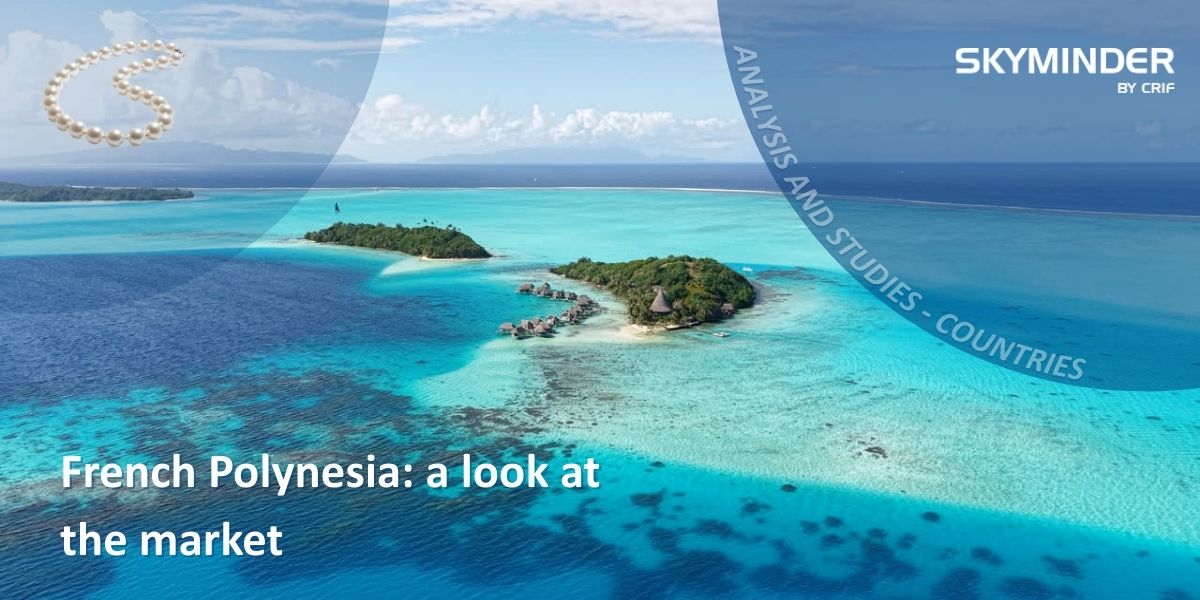
French Polynesia, a vast overseas collectivity of France scattered across the South Pacific, is a territory defined by turquoise lagoons, volcanic peaks, and a culture deeply rooted in Polynesian heritage. Composed of 118 islands, including Tahiti, Bora Bora, and Moorea, it blends traditional craftsmanship, maritime identity, and a growing service economy centered on tourism.
Despite its geographic isolation, French Polynesia maintains a dynamic trade profile shaped by niche exports, strong ties with France, and a reliance on imported goods to support its population and industries. Its economy is driven by tourism, pearls, agriculture, and public administration, with Tahiti serving as the commercial and political heart of the archipelago.
In 2023 French Polynesia ranked:
- 183rd in total exports, valued at $214M
- 173rd in total imports, worth $1.56B
- 135th in exports per capita ($763)
- 81st in imports per capita ($5.55k)
- 17.6% export growth from 2022 to 2023 (+$32M)
ECONOMIC COMPLEXITY RATE
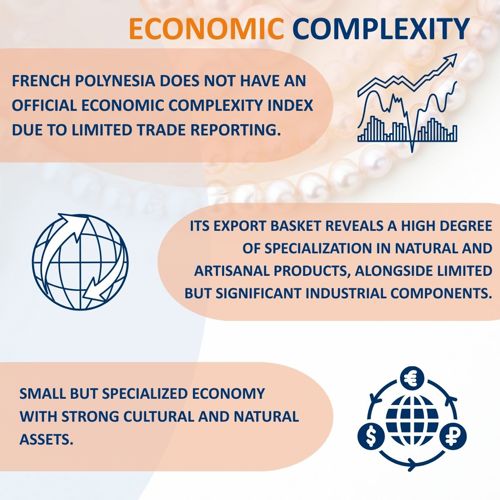
French Polynesia does not have an official Economic Complexity Index (ECI) score. However, its export basket reveals a high degree of specialization in natural and artisanal products, most notably pearls, alongside limited but significant industrial components such as aircraft parts and gas turbines. This combination reflects a small but specialized economy with strong cultural and natural assets.
EXPORT
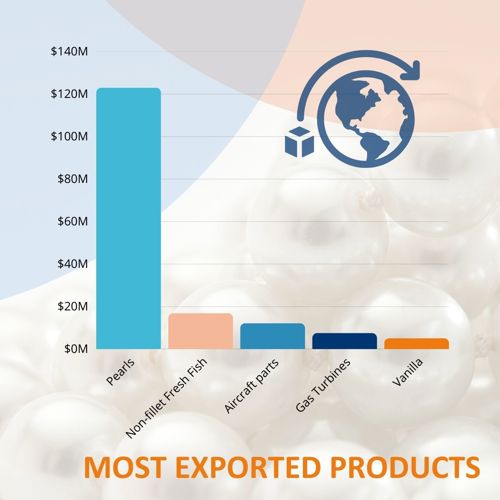
In 2023, French Polynesia’s principal exports were:
- Pearls – $123M
- Non‑fillet Fresh Fish – $16.9M
- Aircraft Parts – $12.2M
- Gas Turbines – $7.57M
- Vanilla – $5.14M
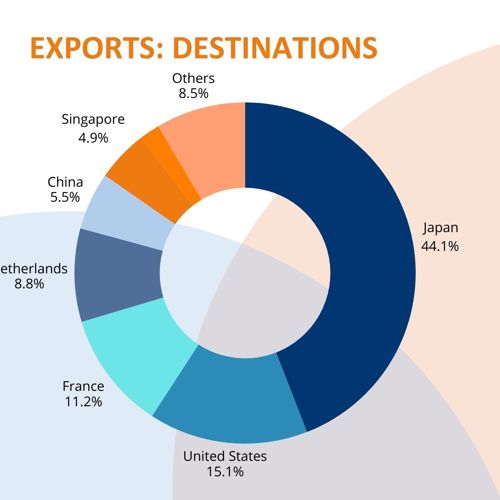
Top destinations for exports included:
- Japan – $94.6M
- United States – $32.3M
- France – $24M
- Netherlands – $19M
- China – $11.7M
Pearls dominate the export landscape, representing more than half of total export value and reinforcing the global reputation of Tahitian black pearls.
IMPORT
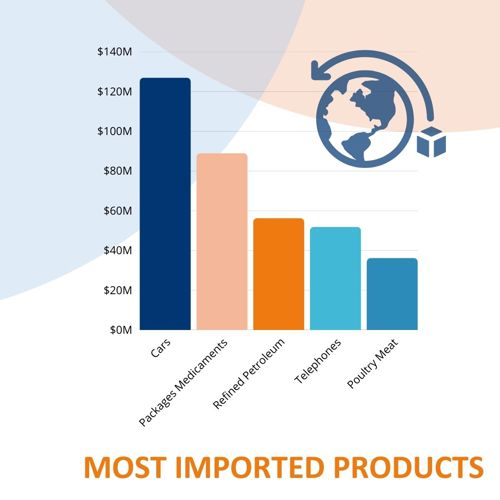
In 2023, French Polynesia imported $1.56B in goods, reflecting its dependence on external markets for consumer products, energy, and technology.
Main imports included:
- Cars – $127M
- Packaged Medicaments – $89M
- Refined Petroleum – $56.3M
- Telephones – $51.9M
- Poultry Meat – $36.2M
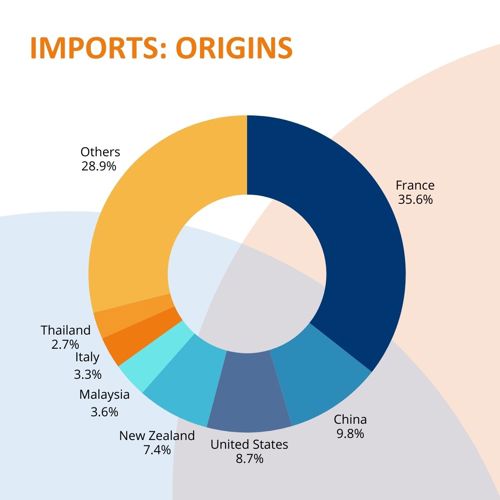
These goods were mainly supplied by:
- France – $556M
- China – $153M
- United States – $136M
- New Zealand – $115M
- Malaysia – $55.8M
France remains a major partner due to historical, political, and logistical ties.
YEARLY TRADE
Between 2022 and 2023, French Polynesia’s exports increased by 17.6%, rising from $182M to $214M (+$32M). This growth was driven mainly by:
- Higher pearl export volumes
- Increased demand for fresh fish
- A rebound in global tourism, indirectly supporting local production
Imports remain significantly higher than exports, creating a structural trade deficit typical of small island economies.
CURIOSITY CORNER
French Polynesia’s cultural exports are as iconic as its natural ones. The territory is globally renowned for Tahitian black pearls, prized for their unique luster and color range. These pearls are cultivated in the pristine lagoons of the Tuamotu and Gambier archipelagos and represent one of the most recognizable symbols of Polynesian craftsmanship.
Another distinctive export is vanilla, grown primarily on the islands of Taha’a and Raiatea. Known for its rich aroma and artisanal production methods, Tahitian vanilla is considered among the finest in the world.
CONCLUSIONS
In 2023, French Polynesia stood out as a small but specialized Pacific economy, balancing traditional exports like pearls and vanilla with modern sectors such as aircraft components and tourism-driven services. Its trade profile reflects both its geographic constraints and its unique strengths: natural beauty, artisanal excellence, and strong international connections.
Long-term opportunities lie in sustainable tourism, renewable energy, and the expansion of high-value niche exports. Culturally, French Polynesia continues to captivate the world through its pearls, Polynesian traditions, and vibrant island identity, demonstrating how heritage and economic development can coexist in one of the most remote regions on Earth.