OVERVIEW
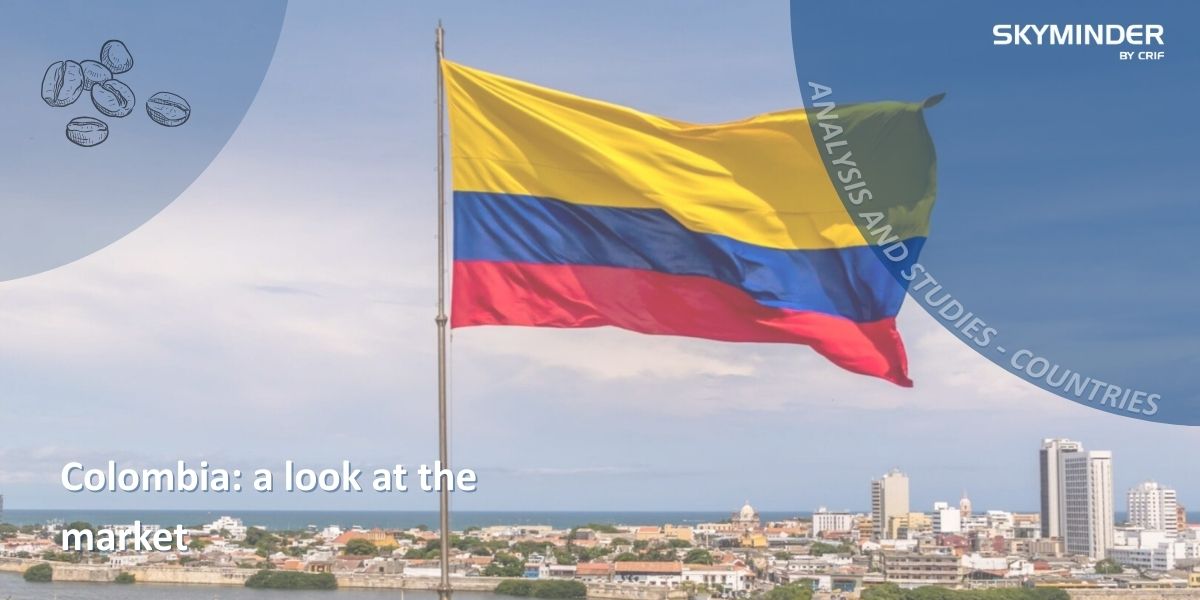
Colombia, located at the crossroads of South America, is a land of striking contrasts. From the snow-capped peaks of the Sierra Nevada to the Caribbean beaches of Cartagena, through the Amazon rainforest and the coffee plantations of the Andes, the country offers an extraordinary diversity of landscapes. Colombian culture blends indigenous traditions with Spanish and African influences, enriched by a vibrant musical scene (cumbia, vallenato, salsa) and a cuisine that ranges from arepas to the world-renowned Colombian coffee.
Rich in natural resources, Colombia has historically relied on agriculture and mining, but in recent decades has diversified toward services and industry. Challenges such as inequality and environmental sustainability coexist with strong urban dynamism and a youthful, resilient population.
Bogotá, the capital, is a bustling hub of culture and business, home to world-class museums and a growing tech sector. Medellín, once associated with social difficulties, is now celebrated as a model of urban innovation. Cali thrives as the capital of salsa and an industrial hub, Barranquilla is famous for its carnival and strategic port, while Cartagena enchants visitors with colonial walls and international tourism. Together, these cities embody Colombia’s creativity and capacity for reinvention.
In 2023 Colombia ranked:
- 42nd in terms of GDP, valued at $363B out of 195 economies in the world
- 56th in terms of total exports, worth $52.4B, out of 226 countries
- 54th in terms of total imports, worth $61.6B, out of 226 countries
- 104th in terms of GDP per capita, current US$, out of 196 economies
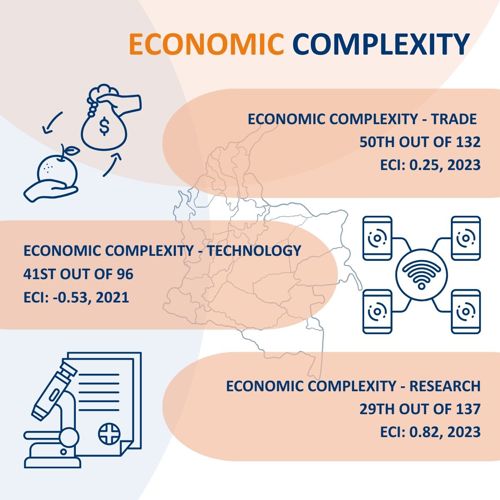
- 50th in terms of Economic Complexity Index (Trade)
ECONOMIC COMPLEXITY RANKING
EXPORT
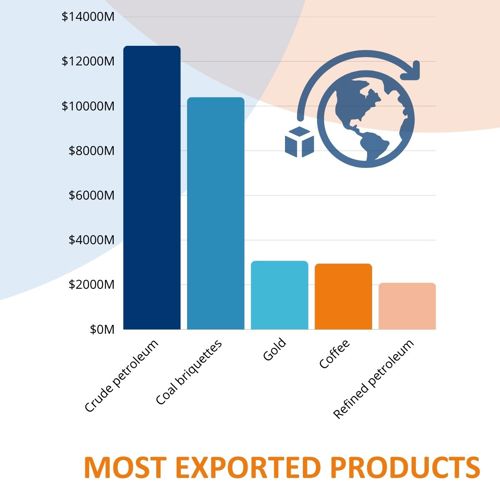
In 2023, Colombia’s principal exports were:
- Crude Petroleum – $12.7B
- Coal Briquettes – $10.4B
- Gold – $3.07B
- Coffee – $2.95B
- Refined Petroleum – $2.9B
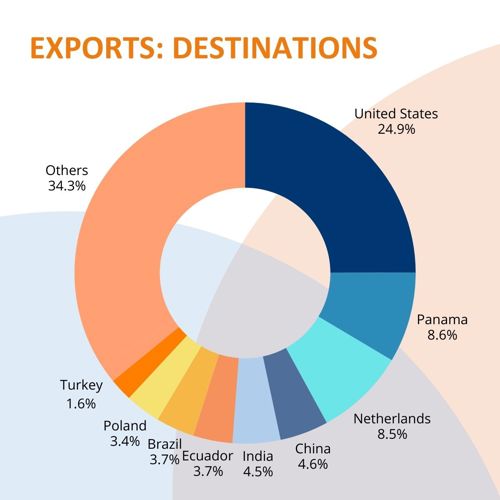
Top destinations for Colombian exports were:
- United States – $13.6B
- Panama – $4.67B
- Netherlands – $2.54B
- China – $2.51B
- India – $2.46B
Colombia was among the world’s largest exporters of coal briquettes and cut flowers, consolidating its role in both energy and agriculture
IMPORT
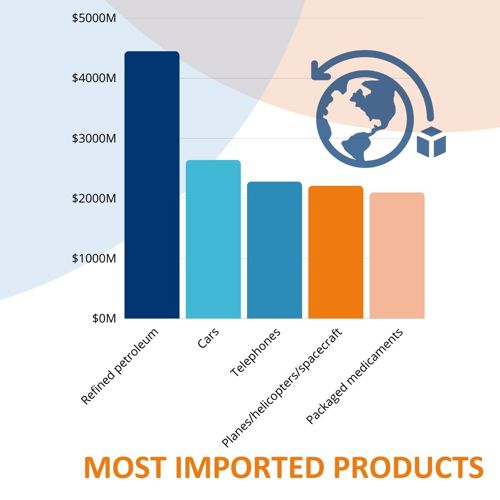
In 2023, Colombia imported a total of $61.6B, making it the 54th largest importer globally.
The most recent imports were led by:
- Refined Petroleum – $4.62B
- Cars – $2.69B
- Broadcasting Equipment – $2.23B
- Aircraft and Spacecraft – $2.21B
- Packaged Medicaments – $2.16B
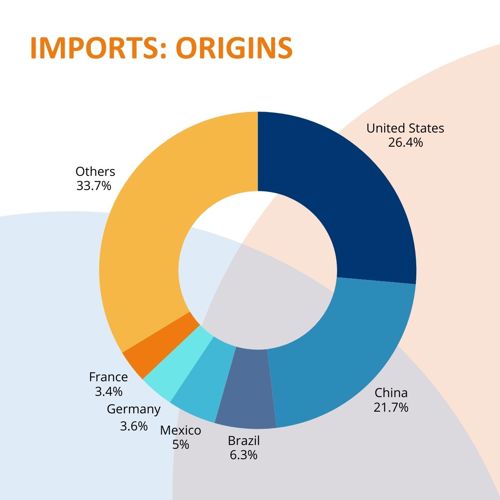
These goods were mainly supplied by:
- United States – $16B
- China – $13.7B
- Brazil – $3.98B
- Mexico – $3.06B
- Germany – $2.31B
YEARLY TRADE
During the last five reported years, the exports of Colombia have increased by $7.87B, from $44.5B in 2018 to $52.4B in 2023. However, between 2022 and 2023 exports fell by 13.4%, reflecting volatility in global commodity markets.
The most recent exports are led by:
- Crude Petroleum – $12.7B
- Coal Briquettes – $10.4B
- Gold – $3.07B
- Coffee – $2.95B
- Refined Petroleum – $2.9B
They were exported primarily to:
- United States – $13.6B
- Panama – $4.67B
- Netherlands – $2.54B
- China – $2.51B
- India – $2.46B
CURIOSITY CORNER
Beyond oil and coal, one fascinating cultural export of Colombia is its coffee and flowers. Colombian coffee, cultivated in the Andean highlands, is prized worldwide for its smooth flavor and aroma. Meanwhile, Colombia is the second-largest exporter of cut flowers, especially roses and carnations, which brighten markets across North America and Europe. These products reflect not only the country’s fertile climate but also its ability to turn traditional agriculture into globally recognized exports.
CONCLUSION
In 2023, Colombia stood out as a dynamic and resilient market in Latin America, with its energy sector, agricultural exports, and growing services industry continuing to expand. The country’s trade profile reflected both its reliance on commodities and its gradual diversification, positioning it as an increasingly important player in the region.
Its market also offered promising prospects for long-term development, particularly in technology, infrastructure, and renewable energy. Beyond industry, Colombia’s cultural exports – from coffee to flowers – highlighted how traditional products can achieve international recognition, symbolizing the blend of heritage and modernity that keeps the nation attractive to investors and visitors alike.