
Business Culture Around the World: Understanding How to Navigate International Negotiations
Focus Country: Germany
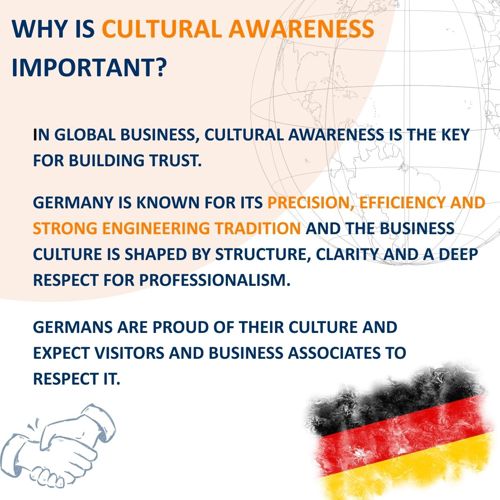
In international business, cultural awareness is essential for building trust and avoiding misunderstandings. Germany, Europe’s largest economy, is known for its precision, efficiency, and strong engineering tradition. German business culture is shaped by structure, clarity, and a deep respect for professionalism. When it comes to doing business in Germany, understanding the country’s cultural norms and values is crucial for success. Germans are proud of their culture and expect visitors and business associates to respect it. As such, cultural sensitivity in German business is of utmost importance.
In this edition of Business Culture Around the World, we explore the key traits of German business culture and how international partners can navigate negotiations effectively.
The Significance of German Cultural Expectations
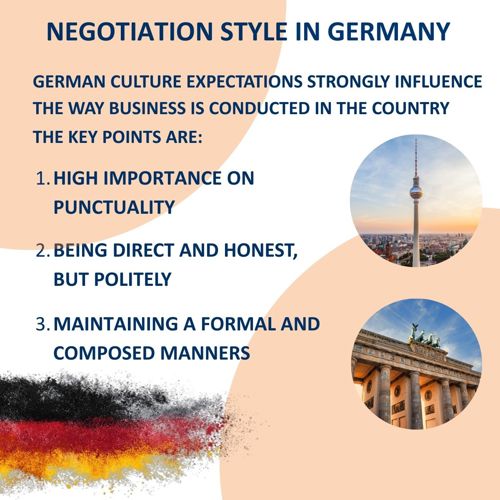
German cultural expectations strongly influence the way business is conducted in the country. People in Germany place high importance on punctuality, structure, and effectiveness. Arriving on time to meetings is viewed as a mark of respect and professionalism, while being late is often seen as impolite and can negatively affect professional connections. Likewise, keeping the workplace tidy and well‑organized is a valued aspect of German work culture.
Cultural Awareness in German Professional Settings
Being culturally aware is essential for establishing strong business relationships in Germany. Germans typically communicate in a direct and clear manner, and they value honesty and precision. At the same time, they pay close attention to proper etiquette and polite behavior. For instance, using formal titles and addressing colleagues by their surname is expected in professional environments. Demonstrating respect and courtesy in every interaction is key when working with German partners.
Professional Conduct in Germany
In German business environments, professional conduct is taken very seriously and forms a central part of workplace etiquette. Following expected standards of behavior is essential for creating and sustaining strong business relationships in Germany.
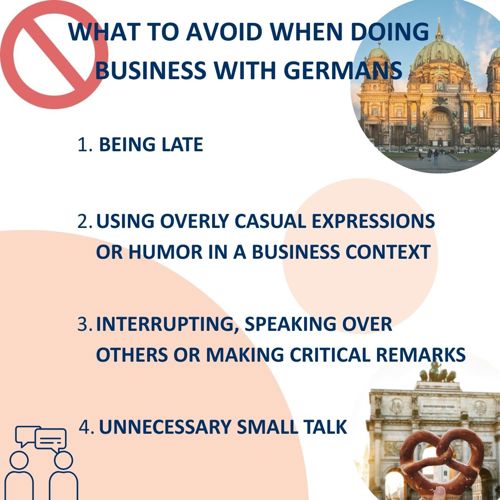
Punctuality, respect, and a formal attitude are considered core elements of professional behavior. German professionals place great importance on being on time, and they expect their counterparts to arrive promptly for meetings and appointments. Being late is viewed as disrespectful and can harm the impression you leave on colleagues or business partners.
Maintaining a formal and composed manner during professional interactions is equally important. German business culture generally favors a reserved and serious communication style. Using overly casual expressions or humor in a business context may be perceived as inappropriate or unprofessional.
Respect is a foundational value in German professional life. Demonstrate respect by listening attentively, acknowledging others’ viewpoints, and responding politely and professionally. Avoid interrupting, speaking over others, or making negative or overly critical remarks.
Building Effective Business Relationships
Establishing meaningful and durable professional connections is a fundamental aspect of conducting business in Germany. To navigate the German business environment successfully, it is important to understand the customs and etiquette that shape professional interactions.
A key factor in developing productive business relationships is demonstrating strong professionalism. This involves consistently showing respect, maintaining a formal tone, and avoiding behaviors that could be perceived as inappropriate or unprofessional.
Equally important is familiarizing yourself with Germany’s specific business practices. For example, meetings often begin with a brief exchange of small talk on neutral topics, such as the weather or recent news, which helps create a comfortable atmosphere and build mutual trust.
In addition to cultural customs, adhering to established etiquette norms is essential. This includes addressing colleagues with formal titles like Herr or Frau and avoiding overly casual language or behavior in professional settings.
Ultimately, building successful business relationships in Germany requires a blend of cultural awareness, professional conduct, and an understanding of local expectations. Demonstrating these qualities helps foster trust and supports long-term collaboration with German partners.
Facts and Figures
- Germany is famous for its punctuality, with trains averaging only a one‑minute delay.
- Surveys indicate that 80% of Germans consider proper business attire essential for professional success.
- German communication is generally high‑context, relying heavily on non‑verbal cues and shared understanding.
- The average German workweek is 35 hours, making it one of the shortest worldwide.
Communication and Language Use
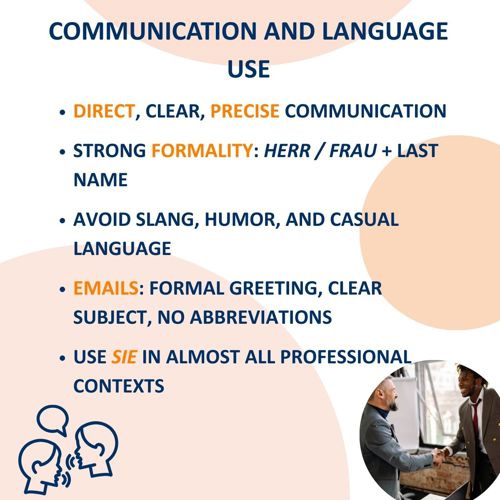
Clear and effective communication is a cornerstone of professional interaction in Germany. German business culture favors direct, unambiguous expression, so it is important to speak in a way that minimizes the risk of misunderstanding. Being concise and precise is generally appreciated.
Formality also plays a central role. In professional contexts, people are typically addressed using titles such as Herr (Mr.) or Frau (Mrs./Ms.), followed by the family name. Using the correct title and surname signals respect and professionalism, and it is expected in nearly all business exchanges.
Although German is the primary language used in business, many professionals are comfortable communicating in English, especially in international settings. Even so, it remains important to choose language carefully. Overly casual expressions, slang, or humor that might not translate well across cultures should be avoided. Instead, clear and neutral language helps prevent misinterpretation, particularly when interacting with colleagues from different cultural backgrounds.
Written communication follows the same formal standards. Emails should include a precise subject line and begin with a formal greeting such as Sehr geehrter Herr or Sehr geehrte Frau followed by the recipient’s last name. Abbreviations and acronyms are generally discouraged, and messages should be carefully reviewed before sending to avoid errors. Letters and official documents typically use the formal Sie pronoun and follow a structured format with a proper heading, greeting, body text, and closing.
Overall, paying attention to both spoken and written communication, through clarity, formality, and cultural awareness, is essential for building strong and effective business relationships in Germany.
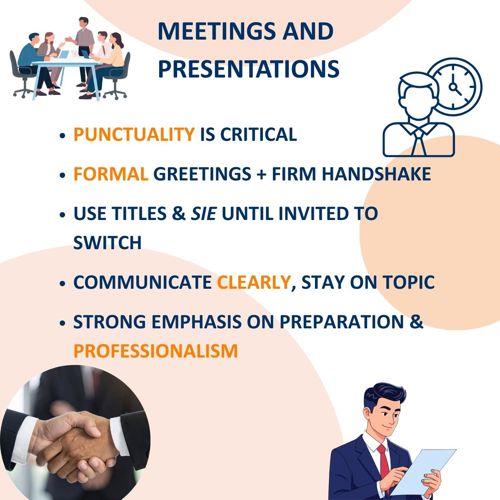
Meetings and Presentations
In Germany, meetings and presentations are treated as formal, carefully organized events. Punctuality is taken extremely seriously and arriving even a few minutes late can be viewed as disrespectful. Upon entering the meeting room, it is customary to greet each participant individually with a firm handshake while maintaining eye contact. Professional titles should always be used, and the formal Sie remains the standard form of address until you are explicitly invited to switch to du.
Communication during meetings is expected to be clear, concise, and focused. Germans value directness, and unclear or overly elaborate explanations may be interpreted as a lack of preparation or competence. For this reason, staying on topic and avoiding unnecessary small talk is essential. Preparation also plays a major role: having all materials ready, ensuring that technology works properly, and listening attentively to others’ contributions all contribute to a professional and respectful atmosphere.
By arriving on time, greeting everyone appropriately, using formal titles, speaking clearly, avoiding digressions, preparing thoroughly, and showing attentive respect, you align with the expectations that define German meeting etiquette.
Negotiation and Decision-Making in German Business
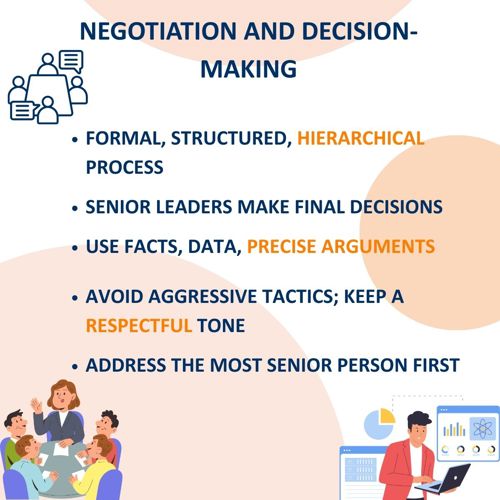
Negotiation and decision-making follow a structured and hierarchical approach in German business culture. Understanding this framework is key to navigating professional interactions effectively.
Negotiations tend to be formal and methodical. Respect for hierarchy is central: the person with decision-making authority is usually the one who ultimately determines the outcome, so it is important to know who holds that position. When presenting a proposal, thorough preparation is essential. Germans appreciate a direct, fact‑based approach grounded in data rather than emotion or personal rapport. At the same time, pushing too aggressively can be perceived as rude, so maintaining a respectful tone is crucial.
Decision-making typically follows a clear chain of command. Senior figures lead the process, and junior employees are expected to follow their direction. In practice, this means addressing the highest-ranking person first and allowing them to initiate the conversation before contributing.
To navigate these processes successfully, it helps to come prepared with a well‑structured proposal, rely on facts and figures, respect hierarchical roles, avoid overly forceful tactics, and allow the other party time to reflect before responding. Following these principles demonstrates professionalism and aligns with German expectations around negotiation and decision-making.
Business Dining and Socializing
In Germany, business meals and social occasions are valuable moments for strengthening professional relationships, and they should be approached with cultural awareness and respect for local etiquette. When invited to a business lunch or dinner, punctuality is essential, and your appearance should reflect the formality of the occasion. Conservative clothing is preferred: men typically wear a suit and tie, while women opt for a modest dress or a tailored pantsuit, avoiding flashy accessories.
Once seated, it is customary to follow the host’s lead, wait for them to begin eating before you start. Table manners are taken seriously: utensils are used from the outside in, elbows stay off the table, and when you finish your meal, you place your knife and fork parallel on the plate with the handles pointing to the right. Although the host usually pays, offering to contribute or suggesting to split the bill is perfectly acceptable.
After dining, conversations often continue in a more relaxed tone. Light small talk or business-related discussion is common, but it is wise to avoid sensitive subjects such as politics or religion. Respect for differing opinions is expected. In social settings outside the workplace, the same principles apply: punctuality, formal greetings, and the use of titles and surnames unless invited to switch to first names. Bringing a small gift, like flowers, chocolates, or a similar token, is a thoughtful gesture, and sending a thank‑you note afterward is considered polite.
By observing these customs, you demonstrate professionalism and cultural sensitivity, helping you build strong and positive relationships with German colleagues.

Dress Code and Appearance
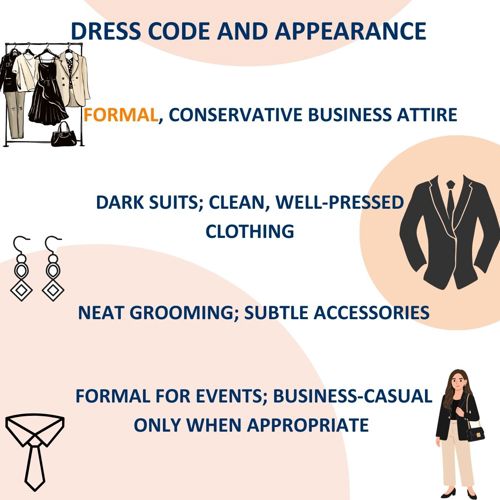
Appearance plays a significant role in German business culture, as it reflects professionalism, reliability, and attention to detail. Business attire is generally formal and conservative. Dark suits are standard for both men and women, and clothing should always be clean, well‑pressed, and properly fitted. Men typically wear a dress shirt, tie, and polished shoes, while women choose modest dresses or blouses paired with skirts or trousers, along with closed‑toe footwear.
Dress expectations may vary slightly depending on the occasion. Formal events call for traditional business attire, whereas more casual meetings may allow for business‑casual clothing, such as slacks and a collared shirt for men or a blouse with dress pants for women. Regardless of the setting, personal grooming is essential: neat hair, trimmed facial hair, subtle makeup, understated jewelry, and minimal fragrance all contribute to a professional appearance.
Overall, dressing appropriately is a key element of German business etiquette. It communicates respect for the environment and the people you are meeting, and it helps create a strong first impression.
Cultural Sensitivity and Adaptability
Successfully conducting business in Germany requires an understanding of local customs and a willingness to adapt to them. German business culture may differ significantly from that of other countries, so demonstrating cultural sensitivity is essential.
Preparation is the first step. Learning about German business norms before your visit shows respect and helps you avoid missteps. Once there, respectful behavior is crucial: punctuality, firm handshakes, direct eye contact, and the use of titles and surnames are all important signs of courtesy, especially when interacting with senior professionals.
Communication tends to be straightforward and focused. While polite small talk is welcome, Germans generally prefer to stay on topic and avoid exaggeration or excessive flattery. Interrupting someone who is speaking is considered impolite, so allowing others to finish their thoughts is important.
Professionalism and formality are expected in all business interactions. Conservative dress, a composed demeanor, and adherence to established protocols all signal respect. German business practices also rely on clear hierarchies and structured procedures. Understanding these dynamics, such as who holds decision‑making authority and the importance of punctuality and preparation, helps you navigate meetings and negotiations effectively.
Adapting to these expectations not only shows cultural awareness but also strengthens your credibility and fosters productive, long‑term business relationships in Germany.
Conclusion
Navigating the German business environment requires a blend of professionalism, cultural awareness, and adaptability. From communication style and meeting etiquette to dress codes, dining customs, and hierarchical decision‑making, each aspect reflects the value Germans place on respect, precision, and preparation. By approaching every interaction with attentiveness and a willingness to align with local expectations, professionals can build trust, strengthen relationships, and engage more effectively with their German counterparts.